Is Central Ottawa calling your name, but you are torn between a freehold home and a condo? You are not alone. With historic houses, new infill, and sleek high-rises from Centretown to Hintonburg and The Glebe, your options are exciting and different. In this guide, you will learn how freehold and condo living compare on cost, rules, maintenance, lifestyle, and resale so you can choose what fits you best. Let’s dive in.
What freehold and condo mean in Central Ottawa
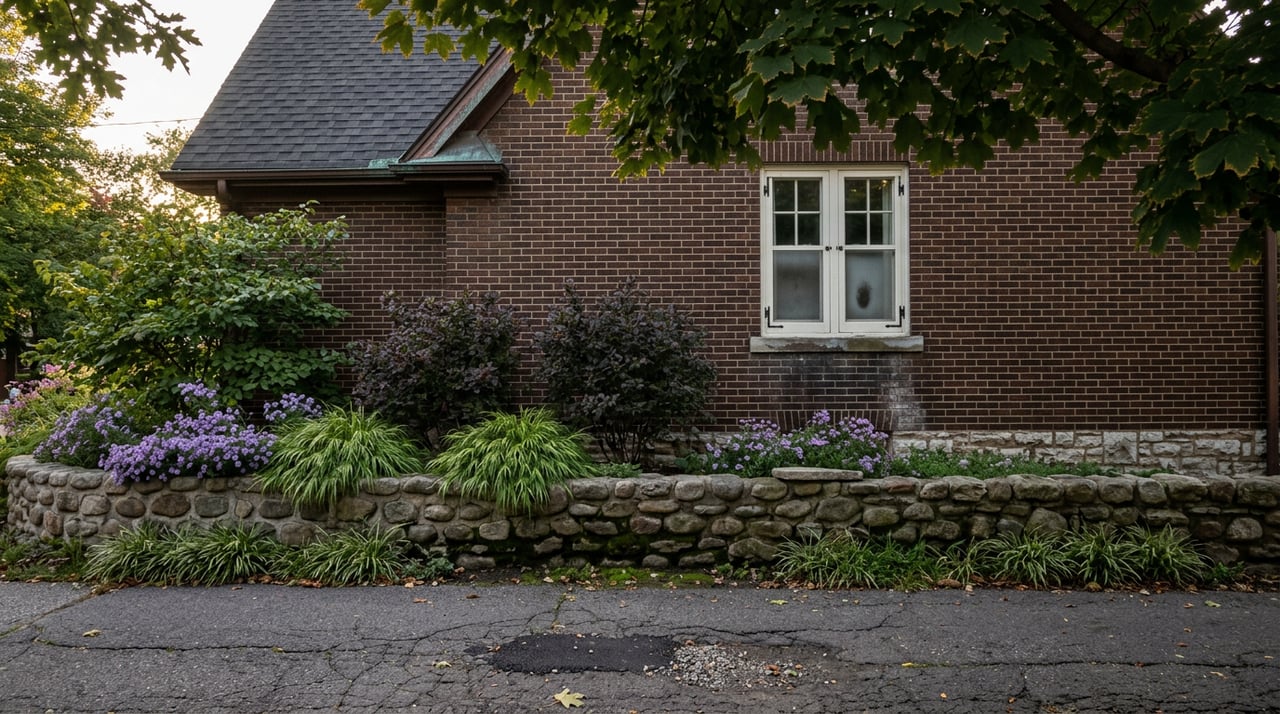
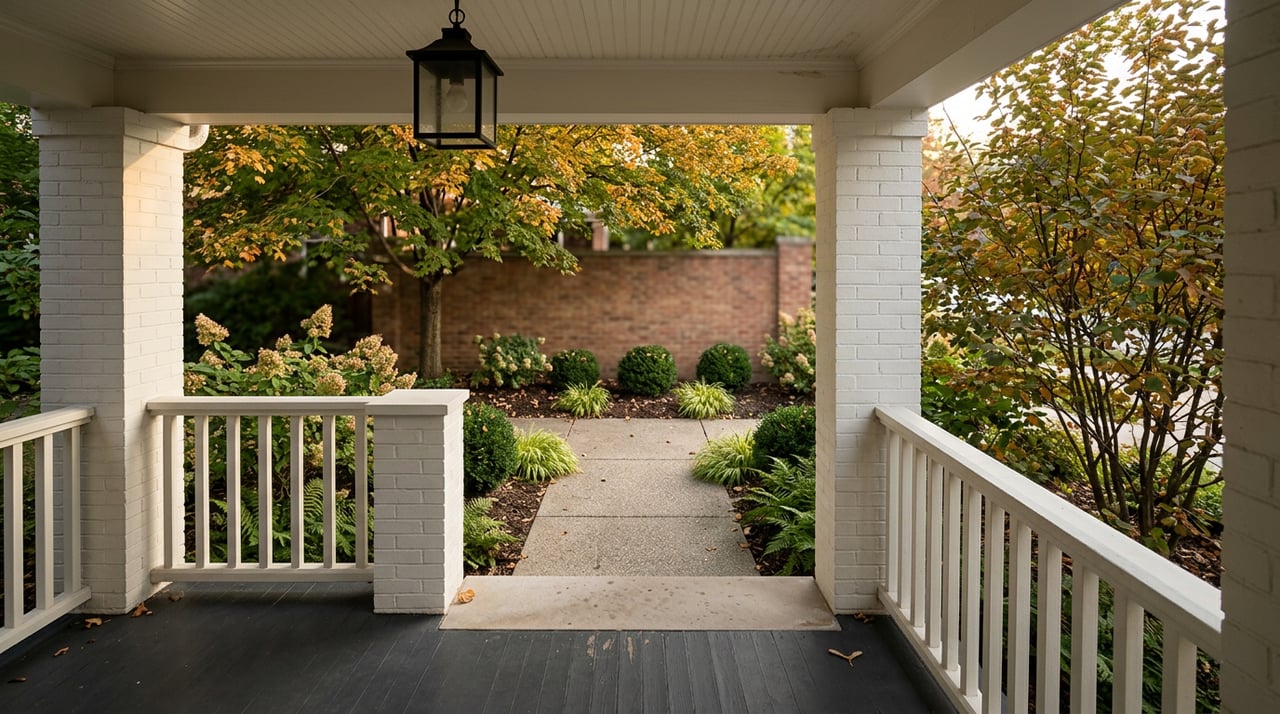
Freehold means you own the land and the building. In central neighborhoods, that usually includes detached homes, semis, and some townhomes. Many are older or heritage properties with character details and separate rooms.
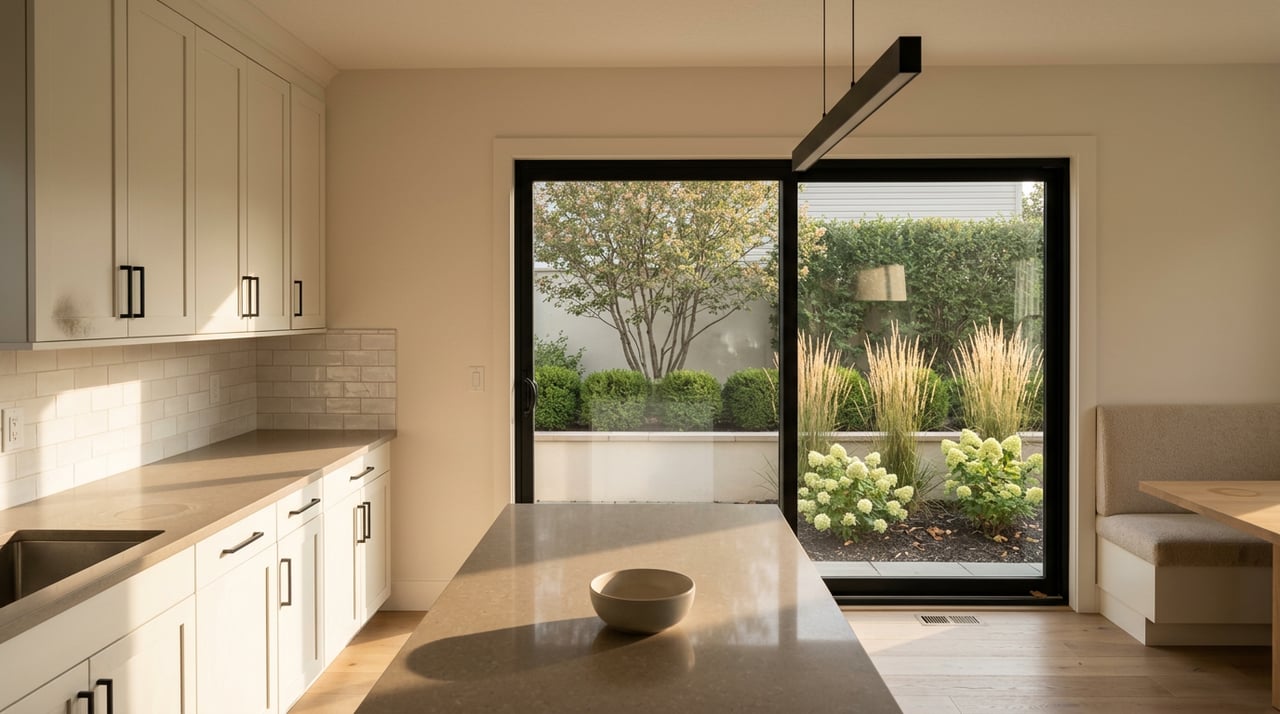
Condominium means you own your unit plus a share of common elements managed by a condo corporation. In Central Ottawa, this includes high-rise apartments near Downtown and ByWard Market, low-rise walk-ups in Sandy Hill and Hintonburg, and some townhouse-style condos. The condominium structure is defined under Ontario law and guided by the Condominium Act. You can review buyer-friendly explanations through the Condominium Authority of Ontario.
Central Ottawa living is known for walkability, LRT access, and proximity to amenities, government offices, and the University of Ottawa. That context shapes daily life whether you choose a house or a condo.
Cost comparison: purchase, monthly, and risk
Purchase price and market dynamics
Freehold homes in the core typically carry higher prices because of land value and limited supply. Condos often provide a lower entry point for a central address, which can broaden the buyer pool. Local pricing and inventory shift by micro-neighborhood and property type, so it helps to track the latest trends through Ottawa Real Estate Board market reports.
If you plan to buy in a heritage area or seek a renovated character home, expect more variation. Unique freeholds can attract strong demand, while central condos may offer steadier liquidity at common price points.
Monthly carrying costs
- Freehold owners pay for property taxes, home insurance on the full structure, all maintenance, utilities, snow removal, and landscaping.
- Condo owners pay a monthly fee that typically covers building insurance for common elements, reserve fund contributions, maintenance, and sometimes utilities. You still carry unit insurance for your suite. Learn how fees and reserve funds work through the Condominium Authority of Ontario’s guidance.
Condo fees can rise with inflation or capital needs. Freehold costs are less predictable month to month because major repairs fall solely on you, but you control the timing of many projects.
Land Transfer Tax and closing costs
Ottawa buyers pay the provincial Land Transfer Tax. There is no additional municipal land transfer tax in Ottawa. First-time buyer rebates may apply. Review current rules and calculators through the Government of Ontario’s overview.
Financing and insurance nuances
Lenders assess property type, building age, and the financial health of a condo corporation. For condos, items like reserve fund strength and the status certificate matter. Freehold buyers need dwelling insurance that covers the entire structure, which can be higher than a condo unit policy. For condo governance and documents, see the status certificate and reserve fund guidance from the Condominium Authority of Ontario.
Governance and rules to understand
Condos: how the corporation affects you
Condo corporations operate under Ontario’s Condominium Act and are run by an elected board. Before you buy, you or your lawyer should request a status certificate. It summarizes the building’s financials, reserve fund study, bylaws, rules, insurance, recent meeting minutes, any special assessments, and any ongoing litigation. The Condominium Authority of Ontario explains what to look for and why it matters.
Condo rules can affect pets, rentals, renovations, and parking. Make sure you are comfortable with the bylaws before you firm up your offer.
Freeholds: zoning, permits, and heritage districts
Freehold owners have more freedom to renovate interiors and exteriors, but you must follow municipal zoning, secure building permits, and respect any heritage overlays. Parts of Sandy Hill, Old Ottawa South, and The Glebe fall within heritage conservation districts where exterior alterations may require permits. Explore the City’s pages on heritage conservation districts and permits and building permits before you plan work.
Short-term rentals and longer leases
Both freehold and condo properties must follow City of Ottawa bylaws for rentals and short-term rental licensing. Condo corporations may also restrict or prohibit short-term rentals within the building. Review the City’s short-term rental information and licensing rules, then confirm any condo bylaws or neighborhood constraints with your lawyer.
Lifestyle differences you will feel day to day
Space and outdoor living
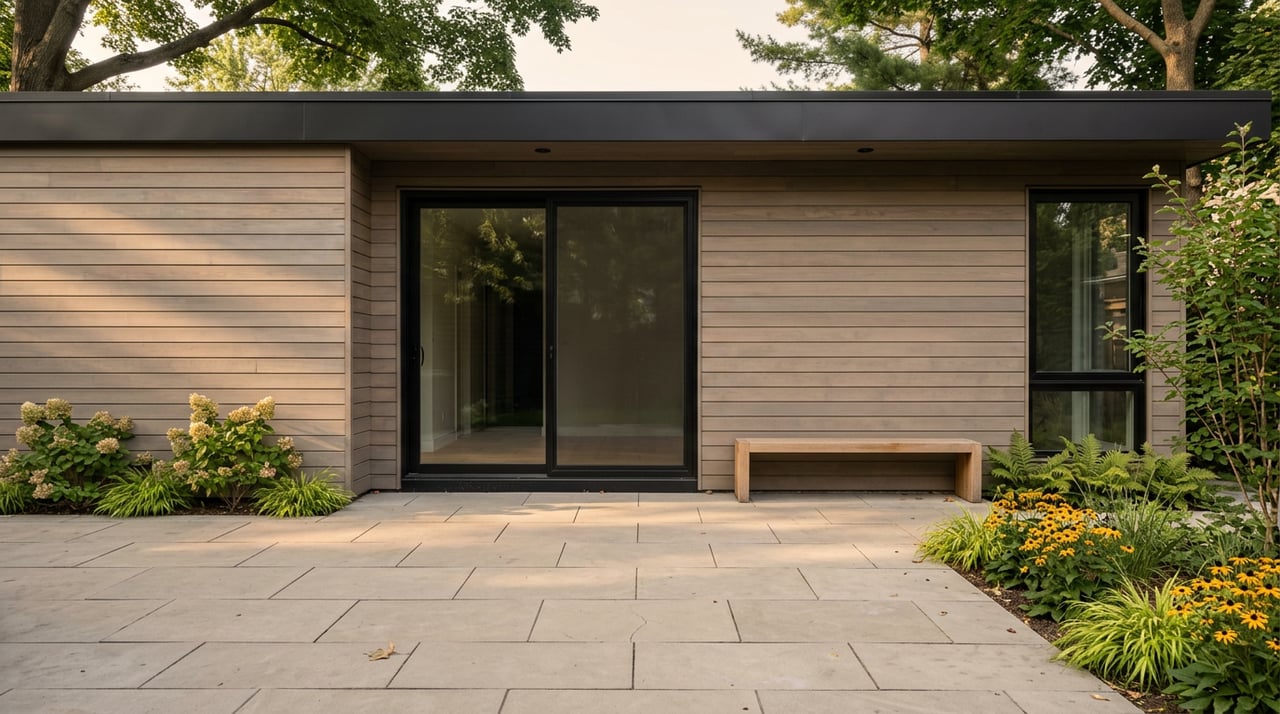
Freehold homes usually offer more interior space and private yards or gardens. Older Central Ottawa homes often feature distinct rooms and architectural character. Condos offer compact floor plans with shared amenities like rooftop terraces, gyms, and guest suites. If you want low-effort living and enjoy a well-run building, a condo can be a great fit.
Parking and storage
Parking is at a premium downtown. Some freeholds have driveways or laneway garages, but not all. Many condo buildings offer owned or rented parking stalls and storage lockers, often at additional cost. Always confirm the exact parking and locker rights on title or in the status certificate.
Transit, walkability, and commute
Central Ottawa’s LRT and bus network serve Downtown and adjacent neighborhoods. Condo living near stations can trim your commute and simplify errands. Freehold areas are still central, though specific homes may sit a bit farther from transit nodes. Cycling infrastructure, winter conditions, and your daily routine should factor into your choice.
Noise, security, and community
Condos bring more neighbors and shared spaces, which can mean more ambient noise, scheduled maintenance, and extra rules. You also gain controlled entries and, in some buildings, concierge services. Freeholds offer more privacy and personal control, though you take on all exterior care and neighbor relations yourself.
Renovation and personalization
If you love customizing your space, freehold ownership gives you the broadest canvas, subject to permits and heritage rules. Condo owners can renovate interiors, but structural work and anything that affects common elements requires board approval.
Investment, rental, and resale considerations
Resale and liquidity
Condos often appeal to first-time buyers, downsizers, and investors thanks to lower entry prices and central convenience. That can help liquidity in urban cores. Freeholds carry land value and can appreciate differently, especially when a home is well renovated or uniquely located. Monitor current trends through Ottawa Real Estate Board insights and compare recent sales in your micro-area for a sharper view.
Rental investor lens
If you plan to rent, confirm bylaws for rental limits in condos and check the City’s licensing rules. Proximity to universities, federal employment centers, and transit can influence demand and vacancy. For a high-level view of rental trends, consult CMHC’s rental market reports for Ottawa.
Taxes and assessments
Property taxes apply to both property types based on assessed value. You can review rate and billing details with the City of Ottawa’s property tax information, and learn how assessments are set through MPAC’s assessment resources. If you plan to sell a primary residence, speak with your tax professional about current federal guidance on principal residence exemptions.
How to choose what fits your life
Ask yourself these quick questions:
- Do you prefer a lock-and-leave lifestyle or hands-on home maintenance?
- Will you use amenities like a gym or rooftop, or would you rather have a private yard?
- Is guaranteed parking essential, or can you lean on transit and cycling most days?
- How comfortable are you with condo bylaws and shared decision-making through a board?
- What is your tolerance for variable costs like roof or foundation work on a freehold?
If you value space, privacy, and full control, a freehold may suit you. If you want a central address with less day-to-day upkeep, a condo can be ideal. In many cases, the right choice is the property that best supports your lifestyle at a total monthly cost you are comfortable with.
Due diligence checklists for buyers
For condo buyers
- Request the status certificate and review reserve fund studies, financials, bylaws, rules, insurance, and recent minutes.
- Confirm what the monthly fee covers, recent increases, and any planned special assessments.
- Review pet, rental, renovation, parking, and storage rules.
- Check building age, current condition, and recent capital projects.
- Ask about owner-occupancy rates and management company reputation.
- Verify parking and locker ownership or exclusive use.
For plain-language guidance on documents and reserves, see the Condominium Authority of Ontario.
For freehold buyers
- Schedule a thorough home inspection focused on structure, roof, foundation, mechanicals, and drainage.
- Confirm zoning, potential heritage overlays, and permit requirements through the City of Ottawa’s planning and permits pages.
- Assess yard, parking, and potential for secondary suites or additions.
- Budget for near-term capital items such as roof, windows, and HVAC.
- Order or review a survey if boundaries or encroachments are unclear.
For both property types
- Compare recent sales for similar properties in the same micro-neighborhood.
- Obtain mortgage pre-approval and confirm lender requirements, including condo conditions if applicable.
- Review property tax history and services via the City of Ottawa.
- If rentals or short-term rentals are part of your plan, confirm bylaws and licensing with the City’s short-term rental information and any condo rules.
Local factors to watch in Central Ottawa
- Heritage districts: Some areas of Sandy Hill, Old Ottawa South, and The Glebe have heritage rules that shape exterior changes. Start with the City’s heritage conservation resources.
- Floodplains and environmental risks: Properties near waterways may have added due diligence. Review City and conservation resources at the planning stage.
- Infill and transit: New mid-rise projects and proximity to the Confederation Line can impact noise, street life, and long-term value. Check planning updates on ottawa.ca when evaluating a location.
Ready for a data-led plan for your next move?
Whether you are comparing a ByWard Market condo to a Glebe semi or deciding between a Hintonburg walk-up and a Westboro townhouse, you deserve clear advice grounded in local data. Our team pairs boutique, high-touch service with market analysis to help you buy with confidence or sell for maximum value. If you want a tailored plan, connect with The Zak Green Team to start a focused conversation on your goals.
FAQs
What is the main cost difference between freehold and condo in Central Ottawa?
- Freeholds often cost more upfront because of land value, while condos can offer lower entry prices but include monthly condo fees for maintenance and reserves.
How do condo fees work, and can they increase?
- Fees cover common elements, insurance for the building, and reserve funds. They can change over time. Review the status certificate and the Condominium Authority of Ontario’s guidance for details.
Do freehold homes in heritage areas have extra rules?
- Yes. Exterior work may require permits and must follow heritage district guidelines. Check the City of Ottawa heritage resources before planning renovations.
Can I use my Central Ottawa condo for short-term rentals?
- It depends on your building’s bylaws and City licensing rules. Review the status certificate and the City’s short-term rental information to confirm what is allowed.
Where can I find current market stats for Central Ottawa?
- See the latest updates from the Ottawa Real Estate Board, then compare recent sales in your target micro-neighborhood for a sharper view.