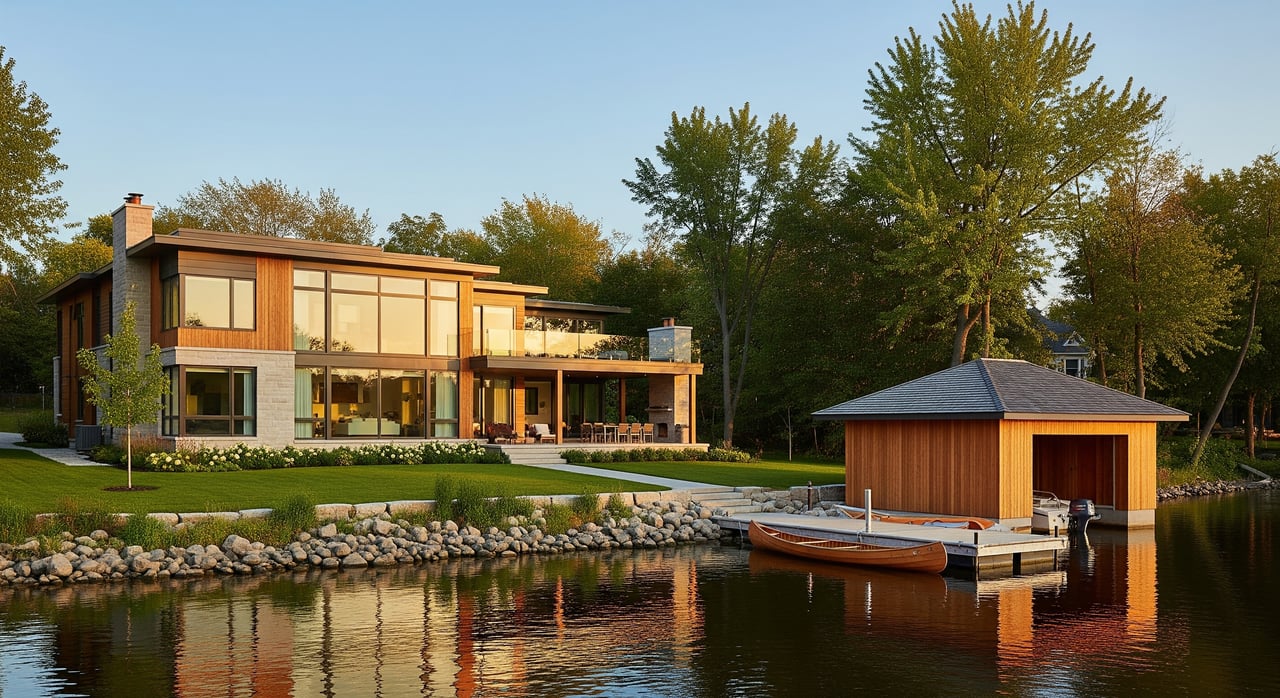
Dreaming of coffee on the dock, your kayak gliding out at sunrise, or a backyard that ends at the water’s edge? Buying waterfront in Manotick or Greely can deliver an incredible lifestyle, but it also comes with unique rules, inspections and costs you need to understand. You want beauty and recreation without surprises. This guide gives you clear, local steps to buy confidently, from floodplain mapping and permits to septic systems, docks and insurance. Let’s dive in.
Manotick and Greely at a glance
Manotick sits along the Rideau River within the City of Ottawa. You’ll find a village core near the mill and Main Street, plus newer suburban waterfront lots that draw buyers for boating and scenery. Shops and amenities are centered in the village core.
Greely is a larger rural and suburban community south of Manotick. Many properties offer bigger lots and some have riverfront or pond-front settings. Infrastructure can be more rural, so private wells and septic systems are common.
If public transit matters, verify local routes and park-and-ride options. Most buyers rely on private vehicles, and commute times vary by exact location and route.
What makes waterfront different
Waterfront properties typically sell at a premium because access, views and recreation add value. Supply is limited, so competition can be stronger in desirable pockets and active market periods. It is wise to review local listings and recent sales to understand current pricing and absorption.
Beyond price, waterfront comes with added due diligence. Floodplain and shoreline rules, dock permits, septic and well systems, and winter maintenance all play a role in your decision and overall cost of ownership.
Know the rules before you fall in love
Flood risk and mapping
Some lots sit within regulated floodplains or slope hazard zones. The City of Ottawa and the Rideau Valley Conservation Authority use floodplain mapping to guide development and setbacks. Practical implications can include building elevation requirements, limits on additions, and basement use restrictions.
Confirm the property’s floodplain status early. Ask the seller about any overland water or basement flooding history, including dates and remediation. Consider a professional assessment for higher-risk lots.
Conservation authority permits
The Rideau Valley Conservation Authority regulates work in areas it designates as regulated, including shorelines, wetlands and steep slopes. Shoreline stabilization, dock installation, boathouses and placement of fill often require permits. Ask for copies of permits and any related approvals for past shoreline work. Check for outstanding enforcement matters before you commit.
Parks Canada and Rideau Canal rules
Sections of the Rideau River form part of the Rideau Canal National Historic Site. Where that applies, Parks Canada rules can govern docks, boathouses, mooring and shoreline works. Confirm whether the lot falls under Parks Canada oversight and what that means for approvals and seasonal use.
Provincial and federal overlays
Works that may affect fish habitat can trigger federal Fisheries Act considerations through Fisheries and Oceans Canada. Provincial policies and local zoning further shape what you can build. Always verify permissions before planning shoreline changes, additions or outbuildings.
Shoreline ownership and rights
Understand exactly what you are buying. Some parcels extend to the water’s edge or high-water mark, while others end before the shoreline. Riparian rights, easements and joint-use agreements for shared docks can affect access and use. A current boundary survey and legal review are essential.
Septic, wells and water quality
Many waterfront homes in Manotick and Greely rely on private septic systems and wells. Confirm system type, capacity, age and service history. Ensure the septic system meets Ontario Building Code requirements, especially if you plan to add bedrooms or finish spaces.
Arrange well testing for potability and yield. Review pump and well maintenance records. If municipal water or sewer is available or planned, confirm timing and connection costs so you can budget properly.
Inspections that matter on waterfront
Specialized inspections help you reduce risk:
- Standard home inspection with focus on moisture and basement history
- Shoreline and dock inspection, including pilings, cribbing, seawalls and permits
- Erosion and slope stability review for signs of active bank movement
- Certified septic inspection, including tank age, location and capacity
- Well inspection and water testing for bacteria and nitrates
- Environmental review if wetlands or potential contamination are present
Document everything. Strong records support both your purchase decision and future resale value.
Questions to ask and documents to gather
Ask the seller for:
- Flood and overland water history, including dates and remediation steps
- Copies of permits and approvals for docks, seawalls, additions and boathouses
- Current survey, legal description and details on easements or shared access
- Maintenance records for docks, shoreline work, septic and well servicing
- Insurance and claims history, especially related to water damage
Insurance and financing realities
Standard homeowner policies may not automatically include overland flood coverage. Availability and cost vary by insurer and property risk profile. Obtain quotes early in your process, including endorsements for overland water or sewer backup if available.
Lenders may add conditions when they see flood risk or atypical shoreline structures. An appraisal that considers floodplain status is common. Title insurance can help with certain title-related issues but does not replace physical inspections or regulatory compliance.
Boating, docks and year-round use
If a dock is present, confirm it is included in the sale and whether it is licensed or approved. For shared docks, review any co-ownership or maintenance agreements. Repairs or new installations may require conservation authority permits and, where applicable, Parks Canada or Fisheries and Oceans review.
Check local boating rules, including speed zones and noise bylaws, to understand day-to-day use. Plan for winter needs. Docks often need to be removed or winterized. Ice and freeze-thaw cycles can affect shoreline structures and foundations, so build an annual maintenance routine.
Costs, value and resale
Waterfront premiums vary with view, access, dock quality, lot size and risk profile. Properties with stable shorelines, documented permits, compliant septic and well systems and usable docks tend to attract more buyers and stronger resale outcomes.
Budget for periodic shoreline maintenance, dock repairs, septic servicing and seasonal winterization. Insurance premiums can vary with assessed flood risk. Waterfront lots can carry higher assessed values and property taxes than nearby non-waterfront properties.
Look into conservation or municipal programs that support shoreline naturalization or erosion control. Incentives can reduce costs and align your property with preferred stewardship practices.
Step-by-step buyer checklist
Use this checklist to stay organized:
- Review a current survey and title to confirm boundaries, frontage and how far the lot extends toward the water or high-water mark.
- Request seller disclosures regarding flooding, shoreline works, permits and any insurance claims or repairs.
- Consult the Rideau Valley Conservation Authority and City of Ottawa for floodplain status, regulated areas and permits required for past and planned work.
- Confirm Parks Canada oversight if the property abuts Rideau Canal system waters.
- Arrange specialized inspections: home, shoreline and dock, septic, well testing and erosion assessment if indicated.
- Obtain insurance quotes, including overland water and sewer-backup options where available, before you submit a firm offer.
- Check zoning, permitted uses and any easements that affect future builds, docking or boathouse plans.
- Review local bylaws for boating speed limits, noise and vegetation removal along the shoreline.
- Ensure existing permits can be transferred or that remediation obligations are addressed in your purchase agreement.
- Budget for ongoing maintenance, including septic pumping, shoreline care and seasonal dock work.
Local tips for Manotick vs. Greely
- Manotick: Much of the waterfront is along the Rideau River. Confirm whether Parks Canada rules apply to your section of shoreline. Pay close attention to floodplain mapping and dock approvals.
- Greely: Expect more rural servicing. Verify well and septic details, internet options and municipal service levels. Some properties are pond-front rather than riverfront, so confirm navigation rights and any shared-use agreements.
Make your move with confidence
When you combine the right property with the right due diligence, waterfront living in Manotick or Greely can deliver long-term enjoyment and strong resale potential. If you want a data-informed plan, local permit and inspection guidance and a negotiation strategy tailored to waterfront dynamics, we can help you every step of the way.
Start a private consultation with The Zak Green Team to explore available listings, review comparable sales and map a clear path to a smart purchase.
FAQs
How do I check flood risk for a Manotick or Greely waterfront home?
- Review local floodplain and hazard maps through the City and the conservation authority, and ask the seller for any history of overland water or basement flooding.
What permits do I need for a new dock on the Rideau River?
- Dock installation typically requires conservation authority approval, and properties on Rideau Canal waters may also need Parks Canada review, with federal considerations if fish habitat is affected.
Are septic and well inspections necessary for south Ottawa waterfront?
- Yes, many properties use private systems; arrange certified septic inspections, well assessments and water testing to confirm capacity, compliance and potability.
Can I remove trees or shrubs along the shoreline to improve my view?
- Shoreline vegetation removal is often restricted or discouraged to protect water quality and prevent erosion; expect to maintain naturalized buffers in many cases.
Will lenders treat a waterfront mortgage differently if it’s in a floodplain?
- Lenders may apply added scrutiny, require specific appraisals or set conditions when properties are in higher-risk flood zones.
Is overland flood insurance available for Manotick and Greely waterfront homes?
- Availability and cost vary by insurer and risk profile; obtain quotes early and ask about endorsements for overland water and sewer backup.
Can I build a boathouse or add to the home later?
- Zoning, conservation authority rules, and where applicable Parks Canada and Fisheries and Oceans Canada requirements, can limit boathouses or additions; verify lot-specific constraints before planning.
What documents should I request before making an offer on a waterfront property?
- Ask for the current survey, permits and approvals, flood history, maintenance records for shoreline, dock, septic and well, and any insurance claims related to water damage.