Want to rightsize without giving up your Westboro routine? If you love Richmond Road, the river paths, and quick transit yet want less upkeep, you are not alone. Many longtime owners here choose a nearby townhome or condo so daily life stays familiar. In this guide, you will learn how to time your sale and purchase, which financing tools can prevent a double move, what to check in a condo or townhome, and how to prepare your current home for top value. Let’s dive in.
Why stay in Westboro
Westboro makes downsizing simple because so much is within reach. Along Richmond Road, the shops, cafés, and community events in Westboro Village create a walkable, social core that reduces car trips. Riverfront paths, Westboro Beach, and nearby parks offer year-round outdoor access.
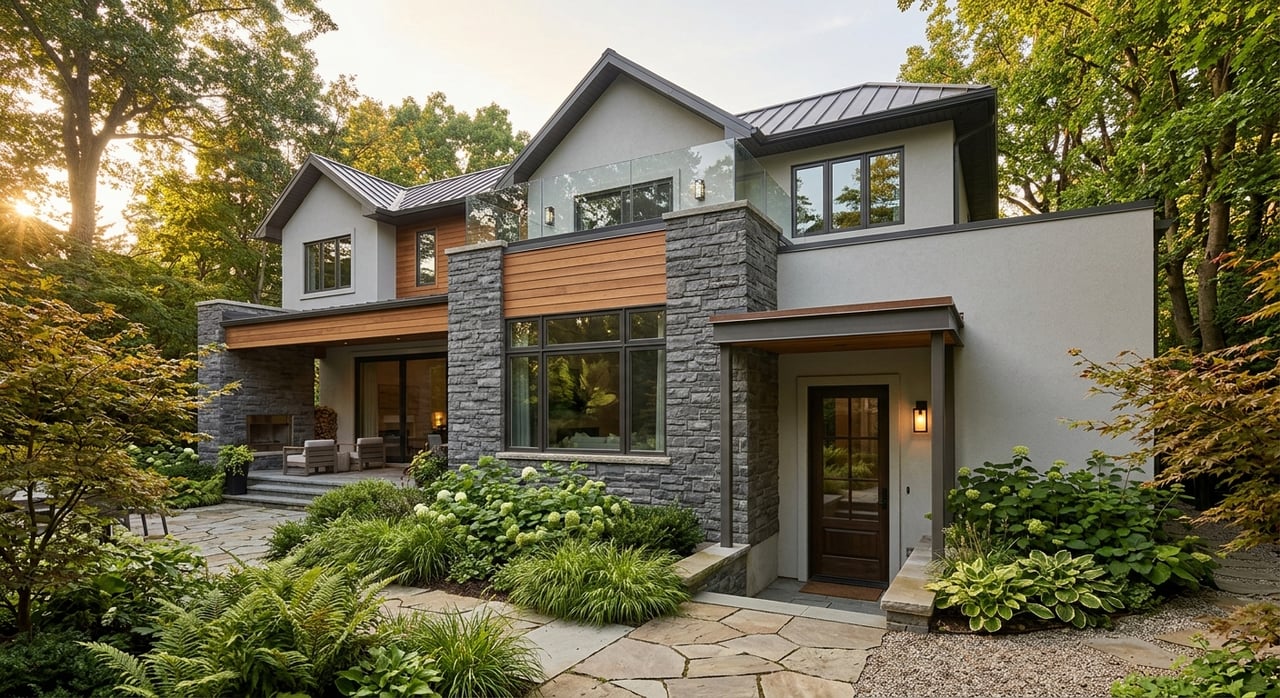
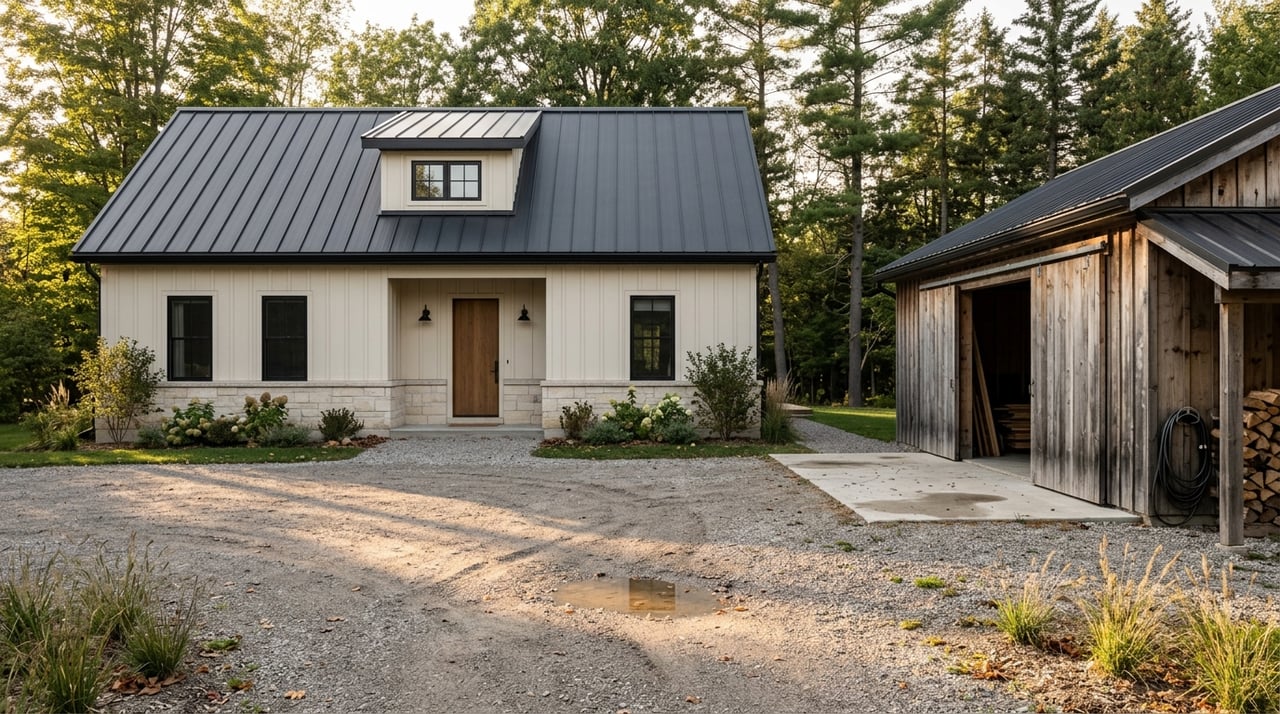
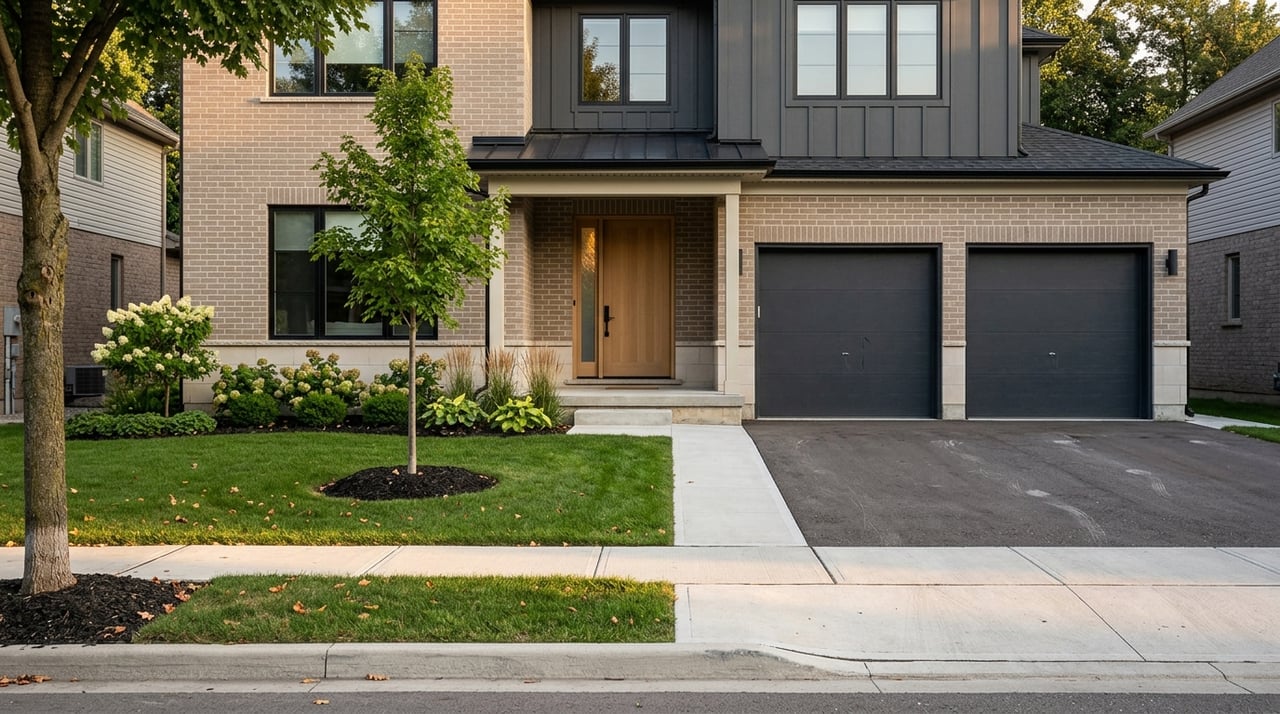
You also have options for your next place. The area blends older detached homes with infill townhomes and several low to mid-rise condo buildings, so you can shift to a smaller footprint nearby while keeping your lifestyle anchored in the neighbourhood. A local profile outlines the range of housing types and amenities in the area’s core streets and side streets. Explore a neighbourhood overview.
If transit matters, Westboro Station is being upgraded for improved O-Train connections and active transportation facilities. That makes car-light living even more practical.
Market signals to guide your plan
The latest Ottawa snapshot points to stability overall, with performance varying by property type. According to the Ottawa Real Estate Board’s year-end summary, condos have been softer than ground-oriented homes, which can influence both your purchase options and your sale strategy.
What this means for you:
- If you are selling a well-kept family home in a strong pocket, you can still attract qualified buyers with the right pricing and presentation.
- If you are buying a condo or townhome, expect more price sensitivity and focus on value, building health, and fees.
- Because neighbourhood pricing changes over time, ask your agent for a current, Westboro-specific market analysis before setting expectations.
Your step-by-step move plan
Here is a practical timeline that keeps you rooted locally and avoids rushed decisions.
- Three to six months out: Meet your agent for a valuation and sale strategy, speak with a mortgage specialist about porting or bridge options, and outline your ideal next-home criteria.
- Six to eight weeks before listing: Complete repairs, declutter, paint where needed, and schedule professional staging and photography.
- On market: Follow a data-led pricing plan and present a polished listing to reach the widest buyer pool.
- Offer to closing: Coordinate conditions, possession, and closing dates early so your sale and purchase align.
Choose your sequencing model
You have three main ways to line up your sale and purchase. Pick the model that best fits your cash flow, stress tolerance, and timing.
| Approach | Best when | Key pros | Key considerations |
|---|---|---|---|
| Sell first | You want certainty on proceeds and to avoid carrying two properties | Clear budget and no bridge loan needed | You may need short-term housing and risk missing a preferred unit |
| Buy first | You find the right unit and can manage short-term financing | Secure your next home and avoid a double move | You may need bridge financing and careful lender coordination |
| Simultaneous closings | Dates can be aligned by all parties | Minimal overlap and clean handoff | Tight scheduling and contingency planning with lawyers and lenders |
Financing tools that prevent a double move
- Mortgage porting: Many lenders let you transfer your existing mortgage rate and term to the new home, subject to approval and qualification. This can help you keep a favorable rate and reduce prepayment penalties. Learn how porting works from RBC’s overview.
- Bridge financing: If you need to buy before your sale closes, short-term bridge loans let you use your current home’s equity as security. These loans are usually brief and require a firm sale on your existing home. Review cost and eligibility with a mortgage specialist. See a clear explainer on bridge loans in Canada.
- Rent-back after closing: If your buyer agrees, you may be able to remain in your home for a short, defined period after closing. The agreement must document dates, rent, insurance, and liability. For why possession and closing wording matters, see this brief on closing date vs possession date. Always confirm terms with your lawyer and lender.
Money and taxes to budget
Principal residence rules
If the home you sell has been your principal residence for the years you owned it, your gain is generally tax exempt. You must still report the sale and designation to the Canada Revenue Agency, and specific reporting rules apply if you buy and sell in the same calendar year. Review the CRA’s guidance on the principal residence exemption and reporting.
Ontario land transfer tax
When you purchase your next home in Ottawa, you will pay provincial land transfer tax at closing. Rates scale with price. Use the province’s official guidance to plan your budget for calculating land transfer tax.
HST on new construction
Resale homes are typically not subject to HST. If you buy new or substantially renovated construction from a builder, confirm HST and any available rebates with your lawyer and lender.
Ongoing ownership costs
If you choose a condominium, monthly common element fees typically cover building insurance for common areas, routine maintenance, and contributions to the reserve fund. The building’s status certificate and financials are essential documents. The Condominium Authority of Ontario explains what to review and why the reserve fund matters. Start with this guide to buying a resale condo.
Prepare your Westboro home for market
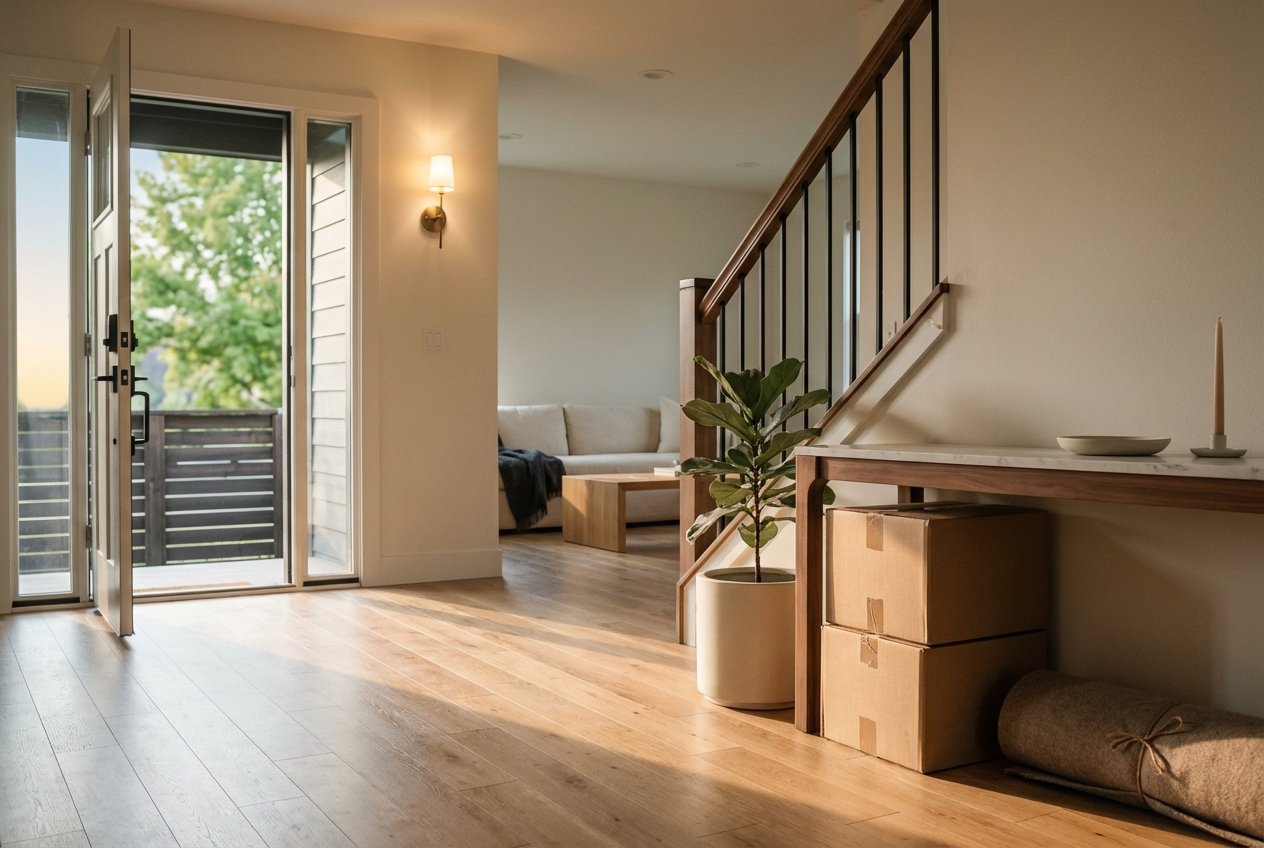
Well-presented homes in Westboro can stand out, especially near Richmond Road, transit, and river paths. A focused prep plan often pays off in days on market and final price.
- Safety and systems first: Fix leaks, service the furnace, and ensure electrical and life-safety devices are in order.
- Declutter and depersonalize: Pack excess items to help rooms feel larger and more flexible.
- Cosmetic refresh: Neutral paint and small kitchen or bath updates can have outsized impact.
- Staging and photography: Professional visuals are standard now and shape buyer traffic from day one.
- Pre-listing inspection: Optional, but it can uncover issues you can address or disclose upfront, reducing surprises during conditions.
Find the right next home nearby
Use this quick checklist to compare Westboro townhomes and condos side by side.
- Ownership type: Is it a freehold townhome with no condo fees, or a condominium with shared elements and monthly fees? Confirm the legal status before comparing costs.
- Status certificate and financials: Request the status certificate early and have your lawyer review the reserve fund study, budget, insurance, rules, and any litigation. Watch for a history of special assessments.
- Accessibility and future-proofing: Look for single-level living or a main-floor bedroom, an elevator if above grade, minimal steps, and reachable storage. These features support comfort and long-term resale.
- Monthly economics: Review condo fees, what they include, parking, locker storage, and how utilities are billed.
- Everyday convenience: Proximity to Richmond Road, groceries, medical services, parks, and Westboro Station supports car-light living and strong resale appeal.
- Building management: Consistent management and transparent boards help reduce the risk of surprise assessments and disputes.
Pulling it together
The most seamless downsizes follow a simple formula: clear financial plan, polished presentation, and precise contract timing. Start by aligning your sale strategy with market signals, get your financing tools ready, and decide your preferred sequencing model. Then target a Westboro townhome or condo that fits your day-to-day life, not just your square footage goals.
If you are ready to map out your move within Westboro, we would love to help you plan it step by step, from pricing to staging to coordinated closings. Connect with The Zak Green Team to request a personalized market valuation and a tailored downsizing roadmap.
FAQs
Will I pay capital gains tax when selling my Westboro principal residence?
- If it has been your principal residence for the years you owned it, the gain is generally exempt, but you must still report the sale and designation on your tax return. Speak with your tax advisor if you used part of the home for business or rental.
How do condo fees and reserve funds affect my budget in a Westboro condo?
- Condo fees cover shared costs like maintenance and common-area insurance, and a portion goes to the reserve fund. Always obtain the status certificate and have your lawyer review the reserve fund study, budget, rules, and any pending litigation before you waive conditions.
Can I keep my current mortgage rate when I move within Ottawa?
- Many lenders offer mortgage porting so you can transfer your rate and term to the new home, subject to approval and qualification. Ask your lender early about timing windows and any need to blend or increase the mortgage.
What if I find the perfect condo before my house sells in Westboro?
- Bridge financing can cover the gap between purchase and sale closings if you have a firm sale on your current home. Some sellers also negotiate a rent-back with their buyer for a short, defined period after closing. Coordinate both options with your lender and lawyer.
How far in advance should I start planning my Westboro downsizing move?
- Start three to six months before your ideal move date. That timeline lets you complete repairs and staging, align financing tools, list strategically, and coordinate closing dates so you avoid a double move.