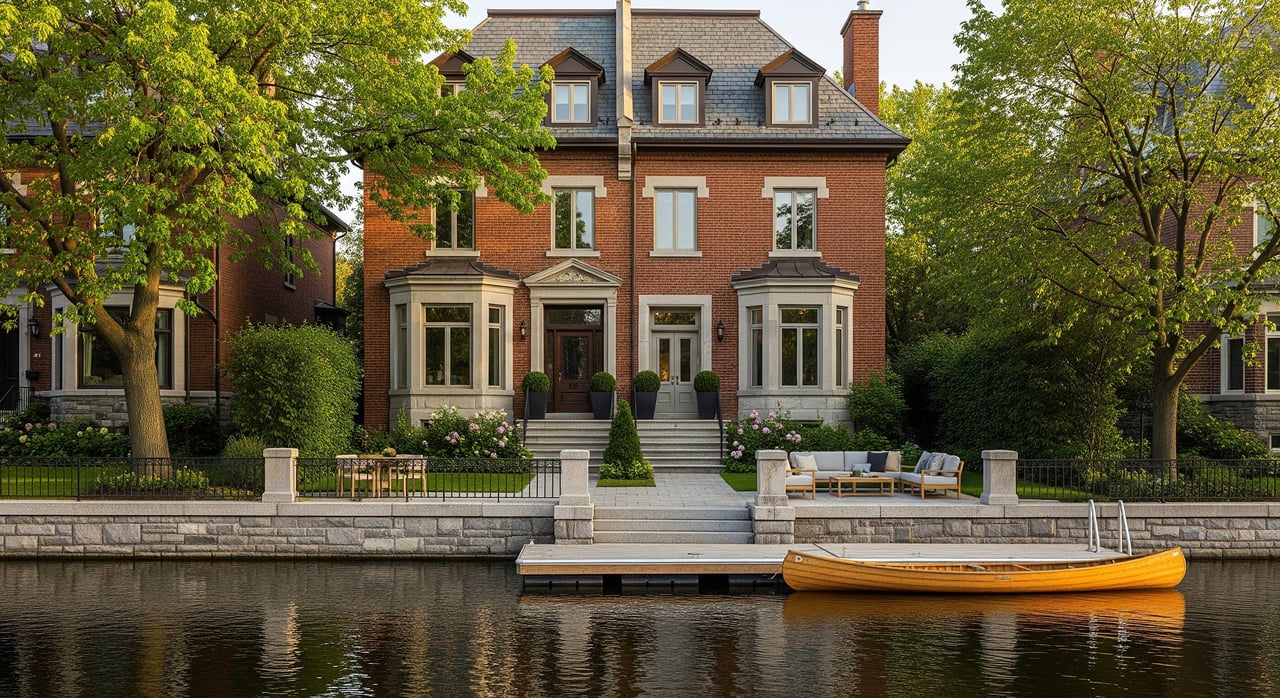
Imagine stepping out your front door with a stroller or scooter and rolling straight onto a canal-side path. If your family craves parks, easy errands, and four-season activities without long drives, living along the Rideau Canal in the Golden Triangle and The Glebe could be a great fit. You want room to grow and a daily routine that feels effortless. In this guide, you’ll learn how the area works for family life, from parks and programs to transit, housing tradeoffs and event-day realities. Let’s dive in.
Where you’re living: canal-side and central
You’re in one of Ottawa’s most central pockets, just south of downtown, with the Rideau Canal as your anchor. The Golden Triangle sits between the canal and Elgin Street, while The Glebe stretches south along Bank Street and includes Lansdowne Park. The canal is a National Historic Site and part of a UNESCO World Heritage Site listing for the Rideau Canal, which shapes how people use the waterfront year round.
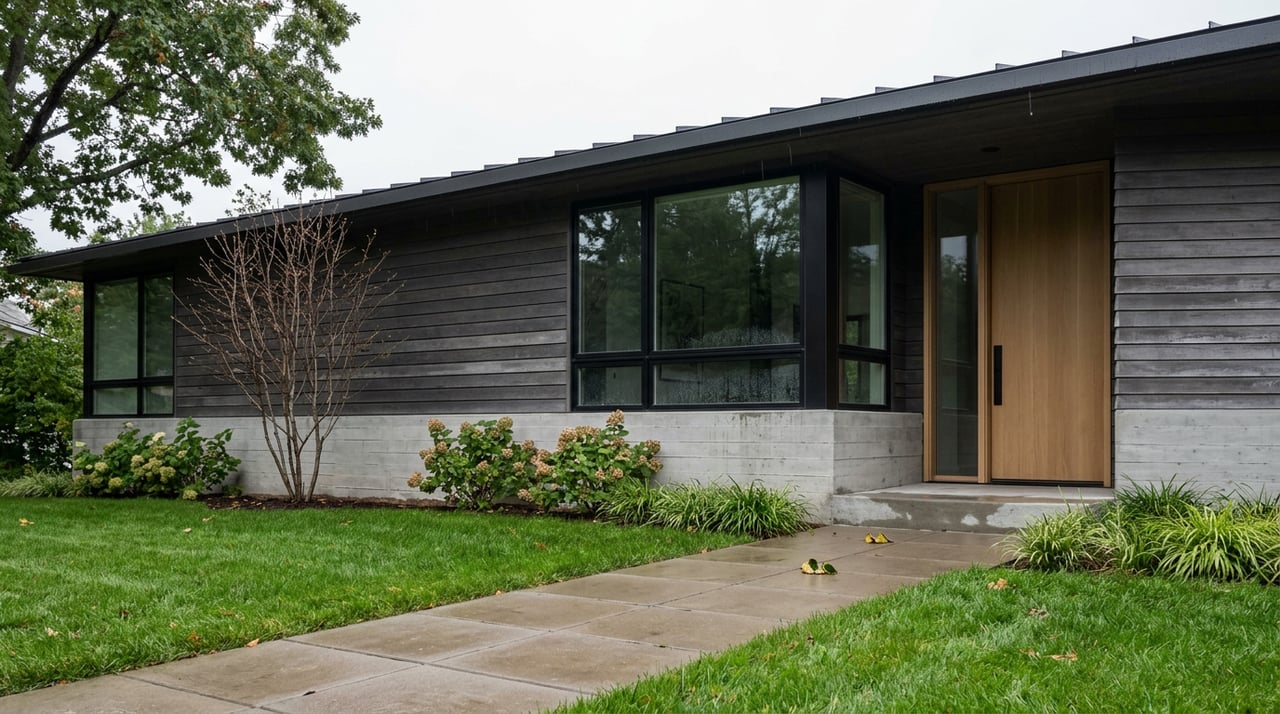
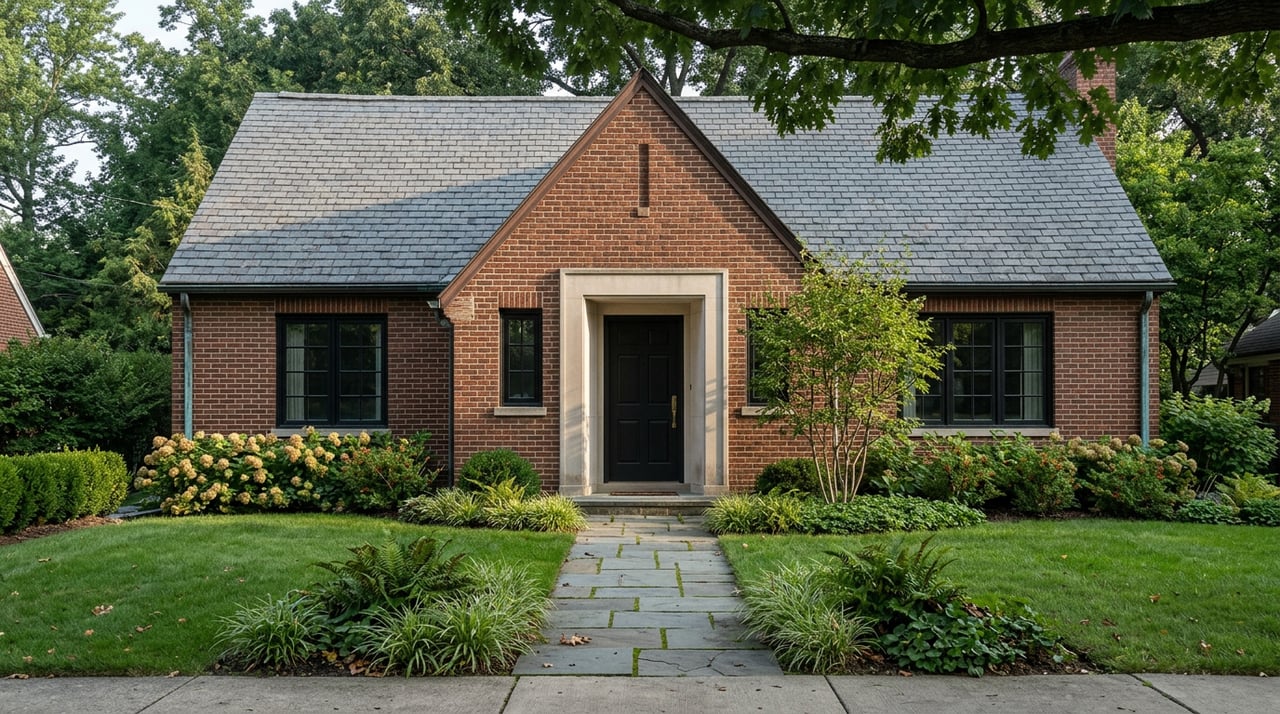
Housing varies by street. You’ll find early 20th century detached homes, semis and rowhouses on quieter blocks, and a mix of low-rise condos and newer infill closer to Bank Street and Lansdowne. Families often choose the area for character homes, tree-lined streets, and the ability to walk almost anywhere.
Rideau Canal living, all seasons
The canal is a rhythm-setter. In warmer months, you can walk, run, or cycle the multi-use paths for long, car-free stretches. You’ll see paddlers and families out for evening strolls. In winter, sections of the canal transform into a skating route when conditions allow, managed by Parks Canada and local partners. You can learn more about the site and seasonal use from Parks Canada’s Rideau Canal National Historic Site.
For family routines, this means:
- Daily stroller and scooter rides with minimal road crossings.
- Easy bike practice for school-age kids on separated pathways.
- A short walk to skating when the ice is open and maintained.
The flip side is crowding during peak times. Expect more foot and bike traffic in spring and summer, and higher visitor numbers on weekends and during skating season.
Parks and programs close to home
You’ll have small neighborhood parks and playgrounds scattered across The Glebe, plus the large public spaces at Lansdowne. As a mixed-use venue, Lansdowne Park offers fields, green space, and event venues like TD Place and Aberdeen Pavilion. Family life here often blends daily playground stops with occasional festivals, markets, and youth sports.
For after-school and seasonal options, you can explore community association programs, City of Ottawa recreation registration, and camps that use nearby fields and indoor facilities. The Glebe Community Association is a useful hub for local events, updates, and neighborhood notices.
Everyday amenities on foot
Bank Street is your main corridor for errands. You’ll find cafes, bakeries, family-friendly restaurants, pharmacies, grocery options, and fitness studios within a short walk of most residential blocks. With a stroller or wagon, you can do quick pickups without loading the car. Lansdowne’s retail adds more food and service choices nearby.
Healthcare services, dentists, and clinics are available across central Ottawa, with major hospitals a short drive or transit trip away. Public libraries, community centers, and arts studios offer free or low-cost programs that many families use for enrichment and rainy-day outings.
Schools and childcare, neutrally
The area is served by the Ottawa public and Catholic boards. You can confirm elementary and secondary assignments using the Ottawa-Carleton District School Board school finder and the Ottawa Catholic School Board find-a-school tool. Program availability, walk zones, and specialized offerings change, so check directly with each board.
Childcare options include center-based programs and licensed home care in the wider central area. Waitlists can be common, so it helps to start early and contact multiple providers. Many families blend daycare with part-time camps and recreation programs during school breaks.
Getting around without the car
Walkability is a major draw. Many daily needs sit within a 5 to 15 minute walk, which simplifies drop-offs, errands, and weekend plans. For transit, you have regular OC Transpo service along Bank and Elgin with connections to the LRT’s Confederation Line. Routes and schedules evolve, so check OC Transpo’s schedules and maps to plan your commute.
Cyclists benefit from canal-side multi-use paths and connecting bike routes into downtown. If your kids ride to school or activities, review the City of Ottawa’s cycling maps and routes for the latest infrastructure and low-traffic options.
Driving is straightforward in off-peak hours, and downtown commutes are short by Ottawa standards. Street parking can be tight, especially on older blocks and when events are on at Lansdowne, so factor that into your daily routine.
Housing types and what to expect
If you are upsizing, you’ll weigh space against proximity. Larger lots and fully detached homes exist, but they are less common and often come at a premium relative to the suburbs. Many families choose:
- Older detached homes with yards on quieter streets, sometimes with planned renovations.
- Semis and rows that balance room with walkability.
- Townhomes or low-rise condos near Lansdowne for lower maintenance and indoor space over yard size.
If you prefer a turnkey home with modern layout, newer infill and select condo-town options can fit, though choices may be limited. If you want a century home with character and expansion potential, factor renovation timelines and budgets into your plan.
Event days and seasonal tradeoffs
Living near an event hub is energizing, but it takes planning. Lansdowne hosts sports, concerts, and festivals that bring short bursts of traffic, parking pressure, and noise. Canal skating and summer tourism can draw more visitors to local paths.
Tips that help:
- Keep a flexible parking plan for guests on event days.
- Use walking, biking, or transit when the area is busy.
- Track event calendars and adjust errands to off-peak times.
- Expect lively weekends during peak seasons.
Safety and environmental notes
Canal proximity gives your family quick access to water and pathways. If you have small children, consider fencing and supervision plans for yards, back lanes, and waterfront access points. For property-specific questions about water levels and drainage, review municipal flood resources. The City of Ottawa’s flooding information is a good starting point, and your due diligence can include local maps and expert assessments.
Winter maintenance matters in a four-season city. Sidewalks, canal access points, and bike routes are maintained to varying degrees by municipal services and partners. Check local notices and plan your walking or cycling routes accordingly.
How to choose your ideal pocket
Every block feels a bit different, which is part of the charm. Use these steps to narrow your search:
- Map your daily routine. Note your school, daycare, and office locations, plus your most-used amenities.
- Walk it. Visit at morning drop-off, weekend mid-day, and evening to see patterns.
- Test transit and cycling routes. Use OC Transpo schedules and maps and the City’s cycling routes to compare options.
- Check boards and events. Confirm catchments with OCDSB and OCSB, and track event impacts through the Glebe Community Association and City updates.
- Align home type with lifestyle. Decide whether you value yard size, renovation potential, or low-maintenance living most.
Is canal-side living right for your family?
If you love the idea of a stroller-friendly lifestyle, active travel, and a calendar that changes with the seasons, living along the canal in the Golden Triangle or The Glebe delivers daily benefits. You trade suburban lot size for walkability, heritage character, and a central address that stays in demand over time. With the right home and a clear plan for events and parking, your family can make the most of this unique part of Ottawa.
When you are ready to explore specific streets, compare housing types, or plan a step-up move with confidence, let’s connect. The The Zak Green Team will help you evaluate options, map your lifestyle priorities, and move forward with a data-led strategy.
FAQs
What makes the Golden Triangle and The Glebe appealing for families near the canal?
- You get four-season canal access, lots of small parks, and daily errands on foot, with heritage streetscapes and a central location that simplifies work and school routines.
How do Lansdowne events affect daily life and parking?
- Event days bring short-term crowds, noise, and higher parking demand near Lansdowne; many residents plan errands around schedules, rely on walking or transit, and help guests with alternative parking options.
How can I verify which schools serve a specific address in The Glebe or Golden Triangle?
- Use the OCDSB school finder and OCSB find-a-school tools, then confirm details directly with the boards since programs and boundaries can change.
What are the transit options from this area to downtown or the LRT?
- OC Transpo runs frequent service along Bank and Elgin with connections to the Confederation Line; check OC Transpo schedules and maps to plan routes and timing.
Where can I learn about skating, maintenance, and canal operations in winter?
- Parks Canada provides background and updates for the site; start with Parks Canada’s Rideau Canal National Historic Site and follow local advisories each season.
What housing types work best for upsizing families here?
- Many choose older detached homes with yards for space and character, semis or rows for balance, or townhomes and low-rise condos near Lansdowne for lower maintenance and strong amenities.
How do I assess flood or water-related considerations for a canal-side property?
- Begin with the City of Ottawa’s flooding information, then use municipal maps and expert inspections to evaluate property-specific conditions.