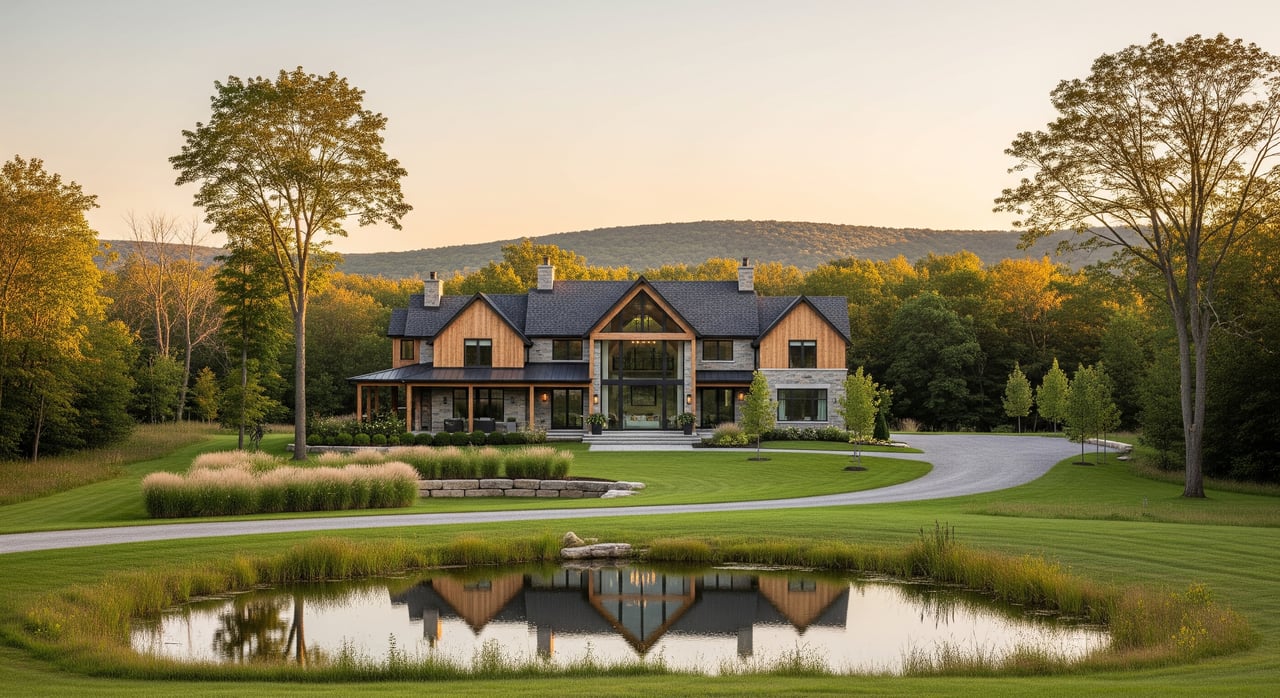
Thinking about trading city lights for big skies and elbow room? Buying acreage in Carp–Kinburn can deliver privacy, space, and a lifestyle you’ll love, but rural properties work differently than suburban homes. You’ll need to evaluate the land itself, essential systems like wells and septic, and the approvals that shape what you can build. This guide shows you what to check, who to call, and how to structure a smart offer. Let’s dive in.
Know your land and access
Before anything else, confirm what you’re actually buying and how you reach it day to day.
- Survey and boundaries: Ask for an up-to-date legal survey or real property report. Walk the lot to confirm boundary markers and that fences align with legal lines. Verify frontage, depth, and legal description.
- Driveway and road type: Determine if access is from a municipal road, a private road, or a right‑of‑way. Confirm who maintains it and whether a private road agreement exists.
- Year‑round access: Check road surface, seasonal closures, and winter plowing schedules. Confirm responsibilities if access is private.
- Emergency access: Ensure there is suitable turn‑around space and that any bridges or culverts meet weight limits for emergency vehicles.
Private wells and safe water
Most rural acreages here rely on private wells. Water quality and supply are critical.
- Well records: Request the well log, type, depth, age, and pump history.
- Water testing: Test for total coliform, E. coli, and nitrate through an accredited lab before closing. Consider metals or other local contaminants as advised.
- Yield and reliability: Ask about the well’s flow rate and performance during dry spells, especially if you plan irrigation or livestock.
- Protection zones: Note any nearby fields, septic systems, tile drains, or fuel storage that could affect water quality.
Septic systems: what to verify
On‑site sewage systems are common and must be functional and compliant.
- System details: Identify the system type (tank‑and‑leach bed, advanced treatment) and age.
- Maintenance: Request inspection records, pump‑out history, and repair receipts.
- Permits and layout: Confirm installation permits, tank and bed locations, and required setbacks.
- Future plans: If you’ll add bedrooms or expand the home, verify that septic capacity is sufficient or whether an upgrade will be required.
Drainage, soils, and flood risk
The ground beneath your feet shapes what you can build and how your site performs.
- Drainage patterns: Walk the property to spot low areas, seasonal wet spots, and ponding after rain.
- Floodplain and wetlands: Check whether any part of the lot is within regulated floodplain or mapped wetlands. Properties near watercourses may require extra permits.
- Soil and bedrock: Clay drains poorly and can affect septic performance; sand and gravel drain well but may have groundwater issues. Shallow bedrock can complicate foundations and drilling.
- Major construction: If you plan significant building, consider a geotechnical or site assessment.
Zoning, permits, and environmental rules
Rural properties in Carp–Kinburn are governed by the City of Ottawa’s Official Plan and zoning by‑law, along with provincial and conservation authority rules.
- Zoning basics: Zoning controls permitted uses, lot coverage, setbacks, accessory buildings, and some home‑based businesses. Hobby farming and livestock numbers are often limited.
- Severance and variances: New lot creation is restricted in many rural zones and usually requires an application. If future division matters to you, verify feasibility now.
- Conservation authority permits: Work near water, wetlands, or hazard lands often needs permits. This can include shoreline alterations, regrading, or septic bed placement.
- Minimum Distance Separation (MDS): Setbacks apply between new development and nearby livestock facilities.
- Natural heritage: Significant woodlands, species at risk habitat, and wetlands may restrict clearing or construction.
- Aggregate resources: Check for nearby pits, quarries, or resource designations that could affect use and enjoyment.
Everyday services to verify
Rural life brings different utilities and routines. Confirm the details before you commit.
- Electricity: Hydro Ottawa serves the City. Confirm service capacity and any upgrades needed for EV chargers, shops, or barns.
- Heat and fuel: Natural gas is often unavailable on acreages. Many homes use propane, oil, wood, or electric systems. Verify fuel storage rules and safe distances from wells and septic.
- Internet and cellular: Coverage varies by pocket. Run a speed test on site and confirm options such as DSL, fixed wireless, satellite, or cellular hotspot.
- Waste services: Some rural addresses get curbside collection; others use municipal depots. Confirm pickup schedules and fees.
- Mail, buses, and addressing: Verify civic address assignment, mail delivery, and any school bus service with local providers.
- Emergency response: Expect longer response times. Note the closest fire station and hospital.
Environmental and safety risks
Environmental conditions can affect health, permits, and insurance.
- Flooding and erosion: Understand past events and mapped risk, which can affect insurability and approvals.
- Wetlands and seasonal ponds: These influence septic locations and buffers and are often protected.
- Fuel tanks and contaminants: Older properties may have above‑ground or underground tanks. Check for spill history or compliance issues.
- Agricultural impacts: Pesticides, manure storage, and run‑off can affect wells.
- Wildlife and insects: Be mindful of ticks and larger wildlife when planning landscaping and outdoor use.
- Fire risk: On forested lots, assess defensible space and emergency access. Insurers may ask for details.
Taxes, insurance, and long‑term costs
Budget for the true cost of rural ownership beyond the purchase price.
- Property taxes: MPAC determines assessed value. Review recent tax bills and any special levies.
- Insurance: Premiums can be higher for rural homes, especially with older systems, wood stoves, wells, septic, or limited access. Obtain quotes early.
- Capital upkeep: Plan for well rehabilitation, septic repairs, driveway and culvert work, fence upkeep, bridge maintenance, and electrical upgrades.
- Grants and programs: Broadband and environmental stewardship funding appears periodically and is project‑specific. Verify what’s current if you plan upgrades.
Your due diligence checklist
Request these documents from the seller or their representative:
- Current legal survey or recent real property report.
- Title search details including easements, rights‑of‑way, and restrictive covenants.
- Recent property tax bills and assessment roll number.
- Septic permits, inspection and pump‑out records, and location drawings.
- Well log, water test results, and pump service records.
- Building permits and occupancy certificates for additions or outbuildings.
- Any environmental, geotechnical, or engineering studies.
- Private road or shared‑services agreements, if applicable.
- Notices of outstanding municipal work orders or fines.
Commission these inspections and tests:
- Full home inspection, including heating systems and chimneys.
- Licensed septic inspection and scoping per local guidelines.
- Accredited lab water testing for bacteria and nitrate; consider yield testing.
- Mechanical, roof, and oil tank inspection where relevant.
- Property survey if boundaries are unclear or in dispute.
- Site or geotechnical assessment if slopes, fill, wetlands, or bedrock are concerns.
- Tree health assessment for large or risky trees near structures.
- Environmental site assessment if contamination is suspected.
Who to contact in Ottawa
- City of Ottawa Planning and Building Services: Zoning by‑law, building and septic permits, severance rules, waste services, roads, and property taxes.
- Local Conservation Authority: Regulated areas, floodplains, wetlands, and development permits near watercourses.
- Ottawa Public Health: Guidance on private wells, water testing, and on‑site sewage systems.
- Utilities and providers: Hydro Ottawa and telecom carriers for electrical capacity, broadband, and cellular coverage.
- MPAC: Assessed value history and property tax assessment details.
- Land registry and Ontario real estate lawyer: Title, easements, rights‑of‑way, covenants, and outstanding work orders.
- Local professionals: Licensed well and septic inspectors, surveyors, and engineers for site‑specific evaluations.
Offer strategy for rural purchases
Protect your interests with the right conditions and timelines.
- Include conditions for accredited well water testing and a licensed septic inspection.
- Allow time for zoning and conservation authority checks, plus any required site visits.
- Request insurance quotes early and confirm flood risk acceptability.
- Verify road maintenance and cost‑sharing agreements for private access.
- Confirm internet speeds, cellular coverage, and utility capacity in writing from providers.
Work with a local advisor
Acreage purchases reward preparation. You want a team that knows rural Ottawa, can flag constraints early, and can coordinate the right experts. With a consultative, data‑led approach and deep experience across premium urban and lifestyle markets, we help you evaluate land, structure protective conditions, and negotiate with confidence. Ready to walk a property with a clear checklist and a smarter plan?
Connect with The Zak Green Team for tailored acreage advice and a smooth buying process.
FAQs
Are wells and septic common for Carp–Kinburn acreages?
- Yes. Most rural properties use private wells and on‑site sewage systems, so testing and inspections are essential before closing.
Who enforces water and wetland buffers near Carp–Kinburn?
- The City of Ottawa handles zoning and building rules, while the local conservation authority oversees regulated buffers and permits near water and wetlands.
Can you add a barn or accessory dwelling on a rural Carp lot?
- Possibly, but it depends on zoning, setbacks, and permitted uses; you will also need building permits and may require septic and conservation reviews.
Is rural home insurance cheaper in west Ottawa?
- Not always. Premiums can be higher due to factors like limited fire protection, older systems, wells and septic, and large outbuildings; get quotes early.
Is flood insurance available for Carp–Kinburn properties?
- Availability and cost depend on the property’s flood risk profile in the private market; confirm options with insurers early in due diligence.