Torn between the romance of a century home and the ease of a modern condo or townhome? If you are looking in Lindenlea–New Edinburgh, you are choosing between two excellent lifestyles in one beloved Ottawa pocket. The area blends a heritage village feel with newer infill options, all steps to parks, cafés and Beechwood Village. In this guide, you will learn how heritage and modern homes differ in upkeep, approvals, insurance, energy upgrades and day-to-day living so you can pick the right fit with confidence. Let’s dive in.
Lindenlea–New Edinburgh at a glance
Lindenlea–New Edinburgh sits where the Rideau and Ottawa rivers meet, anchored by Beechwood Avenue and close to downtown. You get a true village feel with walkable access to shops, parks and schools, plus quick bike or car commutes. The area’s character is well documented by the Ottawa Neighbourhood Study’s profile of New Edinburgh and surroundings. You can explore a snapshot of amenities and local context in the Ottawa Neighbourhood Study’s overview of New Edinburgh.
A central portion of New Edinburgh is designated as a Heritage Conservation District under Part V of the Ontario Heritage Act. The City of Ottawa’s New Edinburgh HCD Plan guides conservation, additions and compatible new construction. If you buy within the district, many exterior changes need heritage review and approval. You can learn more on the City’s page for heritage conservation districts.
Heritage homes: what to expect
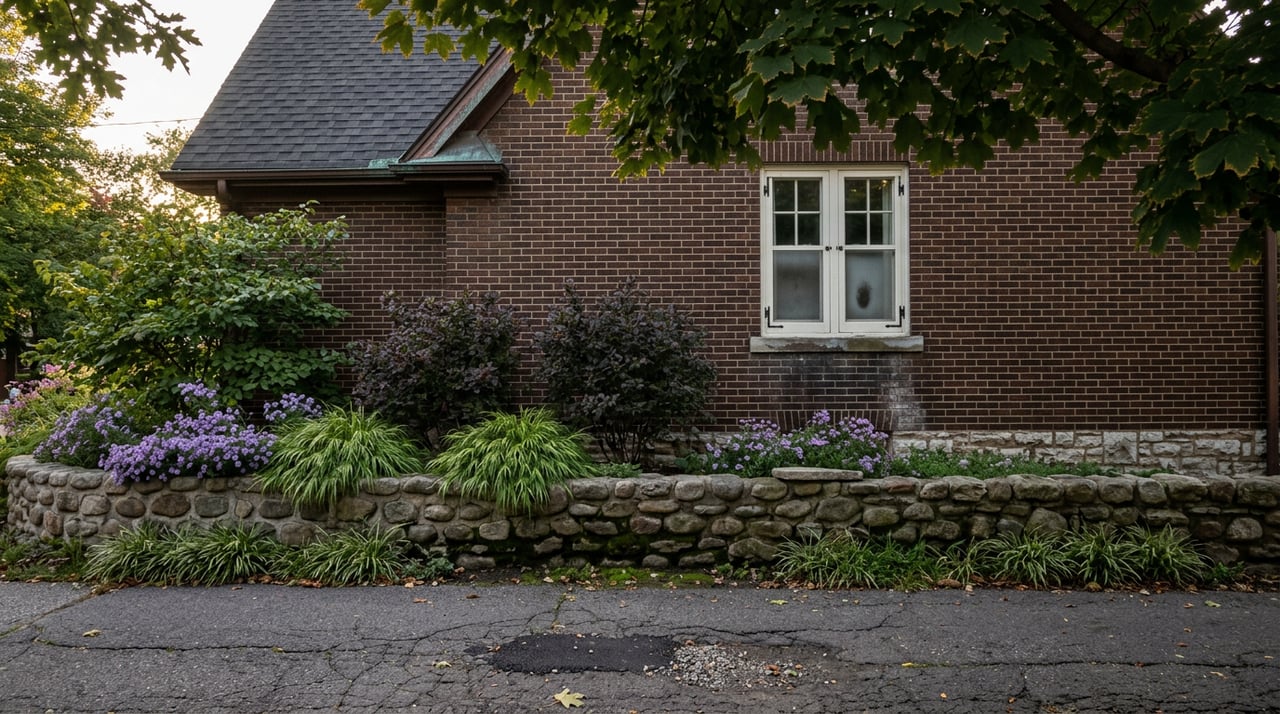
Older New Edinburgh blocks showcase architecture from the mid-19th to early 20th century. You will see front-gabled cottages, late-Victorian and Queen Anne forms, and stone houses that define the streetscape. The HCD Plan outlines the materials, massing and details that contribute to this character, which is why exterior work is carefully reviewed for compatibility. For policy specifics, review the City’s heritage conservation districts resource.
Inside, many heritage-style homes are more compartmentalized than modern builds. Expect a defined entry, separate living and dining rooms and a central stair, with kitchens that may have been opened up over time. Higher ceilings and original millwork are common selling points. These details add charm, but they can also complicate certain upgrades like window replacements or insulation retrofits.
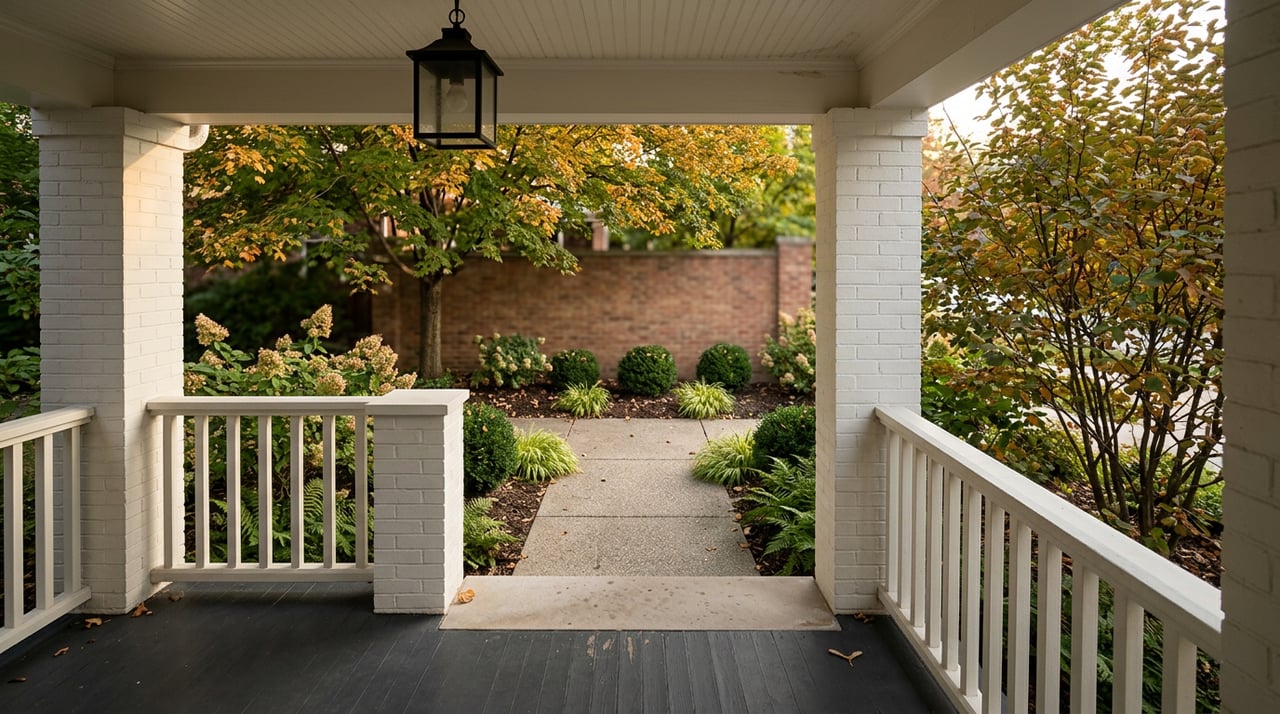
Outside, you will find mature trees, established gardens and smaller, sometimes irregular lots that enhance the village feel. Rear lanes appear on some blocks. This tranquil setting is a key reason buyers fall in love with the area.
Modern infill: what to expect
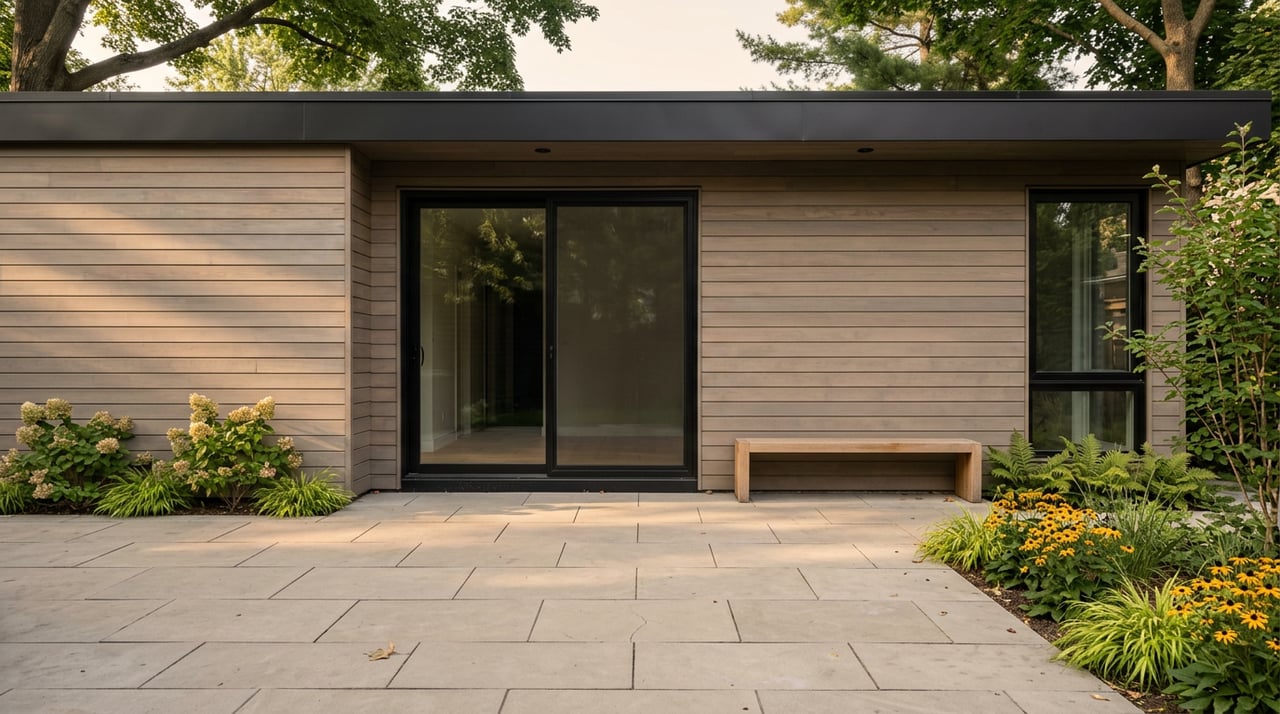
Modern living here often means low-rise infill townhomes, stacked townhouses, triplex or quadplex conversions and boutique condo buildings. New projects are shaped by the City’s Urban Design Guidelines for Low-Rise Infill Housing, which focus on streetscape compatibility, setbacks and soft landscaping while allowing gentle intensification. For context on design expectations, see the City’s low-rise infill guidelines reference.
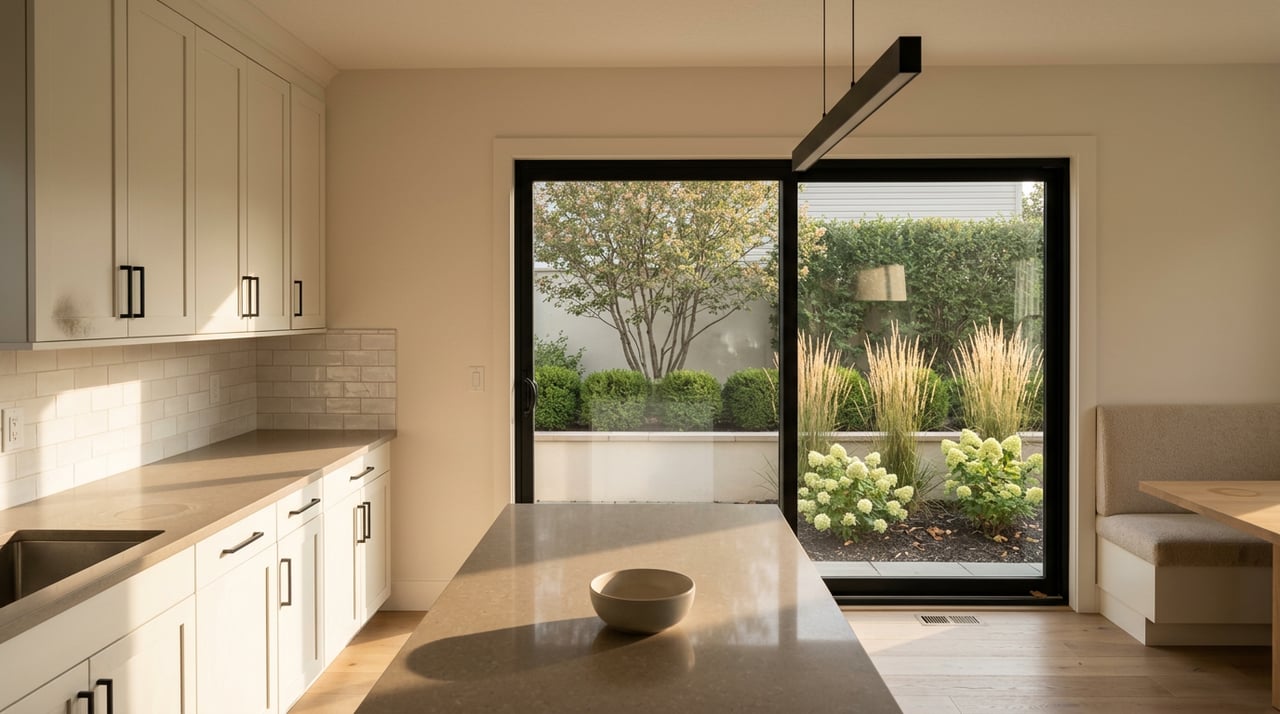
Interiors tend to favor open-plan living that combines kitchen, dining and living areas. Primary bedrooms often include ensuites, storage is planned in, and mechanical systems are typically newer with better insulation, modern wiring and efficient heating and cooling. Parking and entries are usually arranged to minimize curbside garage dominance.
The main trade-off is space and character vs convenience. Many infill and condo options offer predictable costs and lower exterior maintenance, but provide less private yard space and fewer heritage details.
Ownership differences that matter
Upkeep and inspections
If you are considering a heritage-era house, plan for diligent inspections and a proactive maintenance mindset. Common issues in older Ottawa homes include:
- Aging roofs and older or original electrical systems, including knob-and-tube or limited-capacity service
- Cast iron or galvanized plumbing, uninsulated walls and stone foundations that may need repointing
- Potential lead-based paint or asbestos in pre-1970 materials
A comprehensive home inspection plus targeted environmental testing for lead and asbestos can help you plan budgets and reduce surprises. Health Canada highlights the importance of assessing and managing legacy hazards in older homes. You can learn more about risk management for older materials in Health Canada’s overview of lead in buildings.
Heritage approvals explained
If the property lies within the New Edinburgh Heritage Conservation District, exterior alterations that are visible from the street usually require heritage approval. This includes windows, porches, additions and in some cases demolition. The goal is not to freeze a house in time, but to ensure changes remain compatible with the historic streetscape. Allow more lead time for design and approvals, and consider engaging architects and contractors experienced with heritage work. To verify a specific address and understand applicable rules, request a heritage confirmation letter and consult the City’s page on heritage conservation districts.
Insurance realities for older homes
Insuring older or heritage-style houses can involve higher replacement-cost considerations because specialized materials and skilled trades may be needed after a loss. A heritage designation does not automatically raise premiums, but age, wiring, roof condition and rebuild complexity all influence underwriting. The Insurance Bureau of Canada explains common drivers of home insurance rates in its breakdown of how home insurance rates are set.
You can improve your insurance experience by documenting renovations, replacing higher-risk systems such as knob-and-tube wiring and installing modern detection and heating systems. Heritage homeowners can find practical tips for documentation and communication with insurers in Heritage BC’s guide to insurance for heritage homes.
Energy upgrades and incentives
Energy retrofits such as attic insulation, air sealing and high-efficiency heat pumps can lower long-term operating costs. Many of these upgrades are compatible with heritage conservation. Exterior work that alters visible heritage fabric, such as window profiles or trim, will require heritage approvals, so coordinate early with City heritage staff.
Federal programs have supported EnerGuide evaluations and upgrades, with evolving delivery under Canada’s broader green buildings initiatives. Before you bank on incentives, confirm current eligibility, audits and timelines through Natural Resources Canada’s updates on the Canada Green Buildings Strategy and review local delivery details. Pair that with the City’s guidance on heritage conservation districts to ensure your plan aligns with approvals.
Infill, zoning and approvals context
Low-rise infill in Lindenlea–New Edinburgh follows City guidelines that emphasize compatibility with existing streetscapes while enabling gentle density. Expect attention to setbacks, building scale and landscaping. Developers and individual owners often engage with active community associations, particularly near the Heritage Conservation District, which can extend timelines. For an overview of policy themes and compatibility controls, see the City’s low-rise design context compiled in the infill guidelines reference. You can also explore the New Edinburgh Community Alliance’s site for community context around local planning discussions.
Which fit is right for you?
Choose a heritage house if you value
- Character-rich architecture, original millwork and mature gardens
- A long-established streetscape with a village feel
- The opportunity to steward a piece of local history
Plan for:
- Ongoing upkeep and potential system upgrades over time
- Specialist contractors and longer lead times for exterior changes if in the HCD
- Insurance pre-checks and documentation to reduce friction
- An incremental approach to energy retrofits coordinated with heritage approvals
Learn more about the district’s expectations through the City’s page on heritage conservation districts.
Choose modern infill or a condo if you value
- Turnkey systems, open-plan living and predictable monthly costs
- Lower exterior maintenance and lock-and-leave convenience
- Underground or off-street parking options and in-suite storage
Plan for:
- Condo fees and community rules if buying a condominium
- Less private yard space and fewer heritage details
- Compact footprints in exchange for modern mechanicals and ease of ownership
For design expectations and compatibility standards that shape modern projects, see the City’s low-rise infill guidelines reference.
Quick due diligence checklist
- Book a comprehensive home inspection on older homes, plus targeted testing for lead and asbestos as needed. Review Health Canada’s guidance on legacy materials.
- Confirm whether the address is within the New Edinburgh Heritage Conservation District. Request a heritage confirmation letter and review the City’s heritage conservation districts.
- Obtain preliminary insurance quotes and, if needed, a replacement-cost appraisal. The Insurance Bureau of Canada explains rate fundamentals, and Heritage BC offers homeowner tips.
- If grants matter to your budget, verify current program rules and audit steps through NRCan’s Green Buildings Strategy updates.
- For infill purchases, review zoning and any recent community consultations. Use the City’s low-rise infill guidelines reference and the community lens at New Edinburgh Community Alliance.
Living here: everyday lifestyle
Whether you pick a heritage classic or a modern build, Lindenlea–New Edinburgh delivers daily convenience. Beechwood Avenue anchors local cafés, grocers and services, while Mackay and Stanley Park add green space along the river. The neighborhood’s scale supports everyday errands on foot, and the short commute to downtown is a major draw. For a balanced snapshot of amenities and neighborhood character, review the Ottawa Neighbourhood Study’s profile of New Edinburgh.
Your next step
Your best choice comes down to lifestyle, timeline and tolerance for approvals and upkeep. If you love craftsmanship and mature gardens, a heritage home may be worth the added planning. If you want simplicity with an urban vibe, a newer townhome or condo could be the perfect fit. Either way, a clear roadmap will help you move forward with confidence.
If you are weighing options in Lindenlea–New Edinburgh, let’s talk through the details, from heritage approvals to energy upgrades and resale positioning. For tailored guidance and a data-informed plan, connect with The Zak Green Team.
FAQs
What is the New Edinburgh Heritage Conservation District?
- It is a City-designated area where exterior alterations, additions and some demolitions require heritage approval to ensure changes remain compatible with the historic streetscape; see the City’s page on heritage conservation districts.
Are heritage homes more expensive to insure?
- Premiums depend on age, wiring, roof and rebuild complexity, not just designation; specialized materials can raise replacement costs, so obtain quotes early and review IBC’s guide to how home insurance rates are set.
What inspections should I do on an older home?
- Arrange a full home inspection and targeted tests for legacy hazards such as lead-based paint or asbestos where applicable; Health Canada provides guidance on managing older materials.
Can I add energy upgrades to a heritage home?
- Yes, many upgrades like insulation and heat pumps are compatible, but visible exterior changes will need heritage approval; confirm current incentives and audit steps via NRCan’s Green Buildings Strategy updates.
What does “modern infill” mean here?
- It refers to low-rise forms such as townhouses, stacked townhomes and small condo buildings designed to fit existing streetscapes under the City’s Urban Design Guidelines; see the City’s low-rise infill guidelines reference.
How walkable is Lindenlea–New Edinburgh?
- Many daily needs are within a short walk of Beechwood Avenue, with nearby parks and quick access to downtown; for a local snapshot of amenities and context, see the Ottawa Neighbourhood Study’s profile of New Edinburgh.