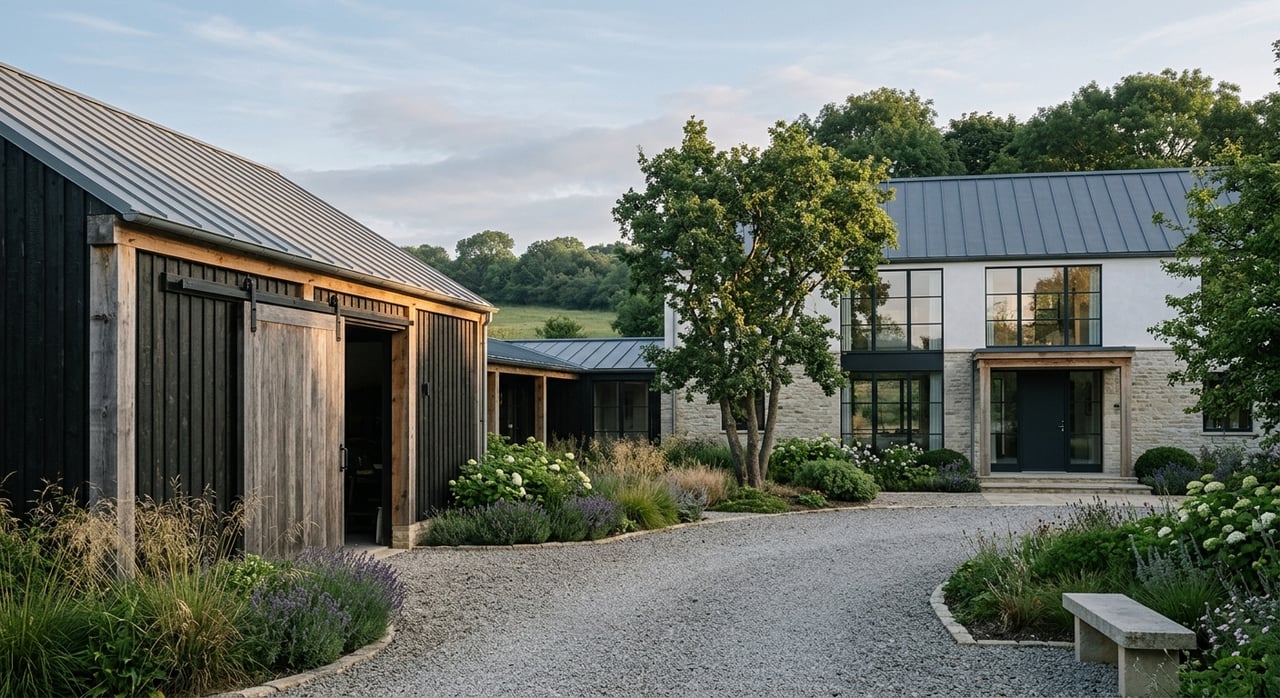
What if you could have more land, more privacy, and a slower pace without giving up Ottawa access altogether? That is part of Carp’s appeal for buyers dreaming about a hobby farm, country retreat, or lifestyle property with room to breathe. If you are considering this move, it helps to understand where the dream fits local rules, what daily life really looks like, and which ownership details matter before you buy. Let’s dive in.
Why Carp Appeals to Lifestyle Buyers
Carp sits in Ottawa’s rural northwest, just west of Kanata and roughly 30 minutes from downtown Ottawa, according to Ottawa Tourism’s Carp overview. That location gives you a rare mix of rural character and city access, which is why it often attracts buyers looking for acreage, retreat-style living, or a property with more flexibility.
The village is also shaped by a strong local identity. The City’s Carp Secondary Plan describes Carp as heritage-rich, with the village core, fairgrounds, Diefenbunker, and local pathways helping define community life. In practical terms, that means you are not just buying land. You are buying into a rural village setting with a recognizable centre and established rhythm.
What “Hobby Farm” Means in Carp
One of the biggest misconceptions in rural real estate is that a listing can be called a hobby farm simply because it has open land. In Carp, the more important question is whether the property’s zoning, lot size, and lawful use actually support the lifestyle you want.
Under Ottawa’s rural zoning framework, certain accessory agricultural uses may be allowed in the RU zone on a detached dwelling lot of 0.8 hectares or larger. The examples identified in the bylaw include a stable, horses, and up to 10 hens. That said, allowances depend on the property’s zoning and specifics, so it is important to verify what is permitted before you commit.
Ottawa’s animal care and control bylaw adds another layer. Livestock can only be kept where zoning allows it or where the use is otherwise lawful. So if you are imagining chickens, horses, or other farm-related uses, you should treat that as a due diligence item, not an assumption.
Village Homes vs Rural Parcels
Carp offers more than one type of lifestyle property, and that distinction matters. Within the village, the City anticipates a mix of housing, including detached homes, semi-detached homes, duplexes, townhouses, linked-detached homes, three-unit dwellings, secondary units, coach houses, low-rise apartments, stacked dwellings, and retirement homes, as outlined in the Carp Secondary Plan.
For buyers focused on retreat living or hobby-farm potential, the better fit is often an existing rural parcel or a lot already approved under rural zoning. The City’s 2024 rural residential land survey makes clear that new country lot subdivisions are not permitted and that future rural growth is intended to be concentrated in villages. In other words, the realistic path is usually buying the right existing property, not expecting scattered new rural lots to appear.
What Daily Life in Carp Feels Like
Carp’s appeal is not only about land. It is also about the pace and pattern of everyday life. Ottawa Tourism highlights the village as a rural community with cafes, restaurants, a brewery, a winery, outdoor recreation, equestrian uses, the Carp Fairgrounds, and the Diefenbunker.
That mix gives the area a lifestyle feel that many buyers want from a retreat property. You can enjoy privacy at home while still having a village centre and local destinations nearby. The Secondary Plan also notes that the core is intended to hold the main commercial, retail, personal-service, restaurant, recreation, and institutional uses, which helps support day-to-day convenience.
The local food scene is part of that lifestyle too. The Carp Farmers’ Market runs Saturdays from 8 a.m. to 1 p.m. from May to late October and describes itself as one of the largest producer-based farmers’ markets in Eastern Ontario. For many buyers, that kind of seasonal routine is part of what makes retreat living feel tangible rather than just aspirational.
Nature, Open Space, and Outdoor Appeal
If your version of a country retreat includes trails, natural views, or room for outdoor hobbies, Carp has genuine strengths. The planning framework for the area highlights the Carp River corridor, pathway connections, open space, and natural lands around the village, as detailed in the Carp Secondary Plan.
Ottawa Tourism also points to outdoor recreation and equestrian uses as part of the area’s identity. That does not mean every property delivers the same experience, but it does mean Carp has an established reputation for buyers who want a more land-based lifestyle. If you are searching for a property with scenic character, usable grounds, or proximity to open space, Carp deserves a close look.
The Ownership Realities to Know
Retreat living can be rewarding, but it is not always low-maintenance. One of the most important differences in Carp is whether the property sits inside the village or outside it.
Inside the Village of Carp, development is approved based on available public water and wastewater services. The Secondary Plan says water is supplied through municipal wells and wastewater goes into the City’s sanitary sewer system. That can feel more familiar to buyers moving from urban or suburban areas.
Outside the village, rural ownership is typically a private well and septic reality. The City’s guidance on private wells notes that homeowners are responsible for their systems and recommends testing well water three times a year, as well as after major plumbing work. The same guidance explains that contamination can come from septic systems, livestock waste, agricultural chemicals, and road chemicals.
If you are buying outside the village, it is wise to think beyond the house itself. Water testing, septic condition, drainage, access, and ongoing maintenance should all be part of your evaluation. A beautiful rural property can still come with very practical responsibilities.
Building, Expanding, or Converting
Some buyers want a move-in-ready retreat. Others are looking for land where they can add a barn, renovate an outbuilding, expand the home, or create a more tailored rural setup. In Carp, those plans need to be checked carefully.
The City states that building permits are required before construction or demolition, and septic systems are reviewed through the Rideau Valley Conservation Authority and the Ottawa Septic System Office. If your vision includes new structures or changes to servicing, approvals become part of the timeline and budget.
This is where strategic guidance matters. A property may look full of possibility, but the best opportunities are the ones where zoning, servicing, and site conditions line up with your plan.
Environmental Constraints Matter
Carp’s landscape is a major part of its charm, but it also creates planning considerations. The Carp Secondary Plan notes that development near the Carp Hills ANSI requires environmental review, and lands along the Carp River floodplain and shoreline are intended to be protected or used for open space where possible.
The plan also identifies source-water protection around municipal wells as a planning issue within the village. For buyers, that means every rural or village-edge property should be considered on its own merits. Land that feels private and scenic may still have constraints that affect building, additions, or future use.
Dream vs Reality in Carp
The good news is that the Carp lifestyle is real. You can find land, privacy, rural character, and a village atmosphere within commuting distance of Ottawa. The important part is understanding that the best version of this lifestyle usually comes from buying the right existing property in the right setting.
The City’s 2024 rural residential survey says about 81% of future rural housing potential is within villages, reinforcing that Ottawa’s rural growth strategy is village-centered. That supports a practical conclusion: if you want hobby-farm or retreat living in Carp, you should expect a thoughtful search process focused on zoning, servicing, lawful use, and long-term fit.
For the right buyer, that extra diligence is worth it. Carp offers a version of rural Ottawa living that feels grounded, scenic, and connected to a real community, not just isolated acreage.
If you are exploring acreage, equestrian, or retreat-style properties in Carp, working with a team that understands both the lifestyle and the due diligence can make your search far more efficient. Connect with The Zak Green Team for strategic guidance tailored to Ottawa’s rural and village-edge markets.
FAQs
What types of properties are available in Carp for retreat living?
- Carp includes village homes in a range of housing types as well as existing rural parcels that may better suit acreage or hobby-farm goals, depending on zoning and servicing.
Can you keep livestock on a hobby farm property in Carp?
- Livestock is not automatically allowed on every rural-looking property in Carp, and you need to confirm zoning and lawful use under Ottawa’s bylaws before buying.
What is daily life like in Carp, Ottawa?
- Daily life in Carp centers on a rural village atmosphere with local businesses, the Carp Fairgrounds, the Diefenbunker, outdoor recreation, and the seasonal Carp Farmers’ Market.
Are Carp properties on municipal services or private systems?
- Properties inside the village are tied to public water and wastewater servicing, while many properties outside the village rely on private wells and septic systems.
What should you check before buying a rural property in Carp?
- You should review zoning, permitted uses, water and septic details, permit requirements, and any environmental or floodplain constraints that could affect the property’s future use.