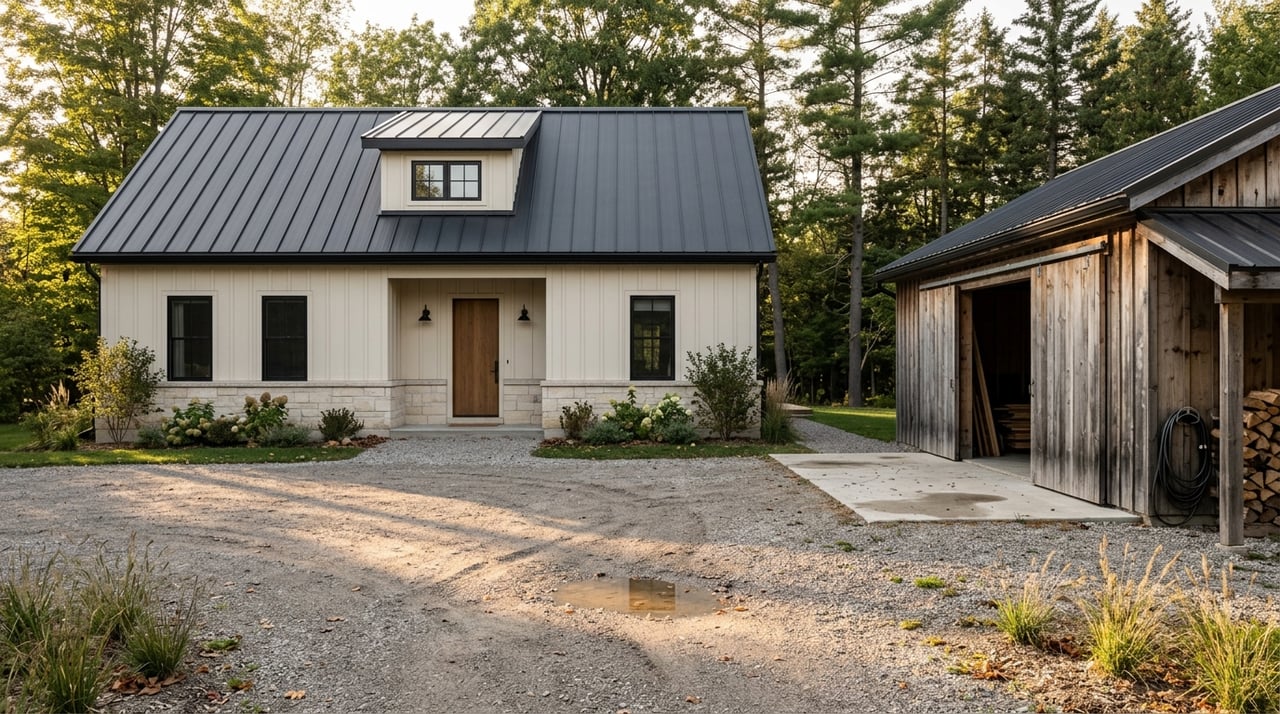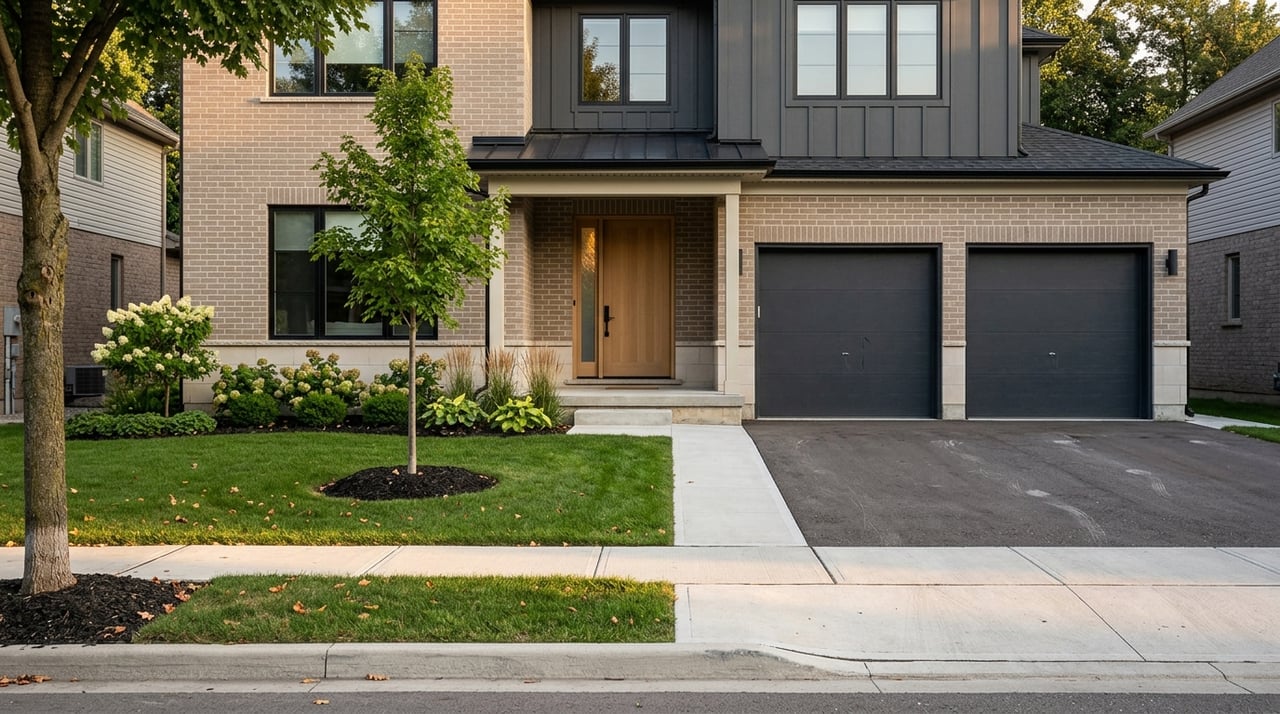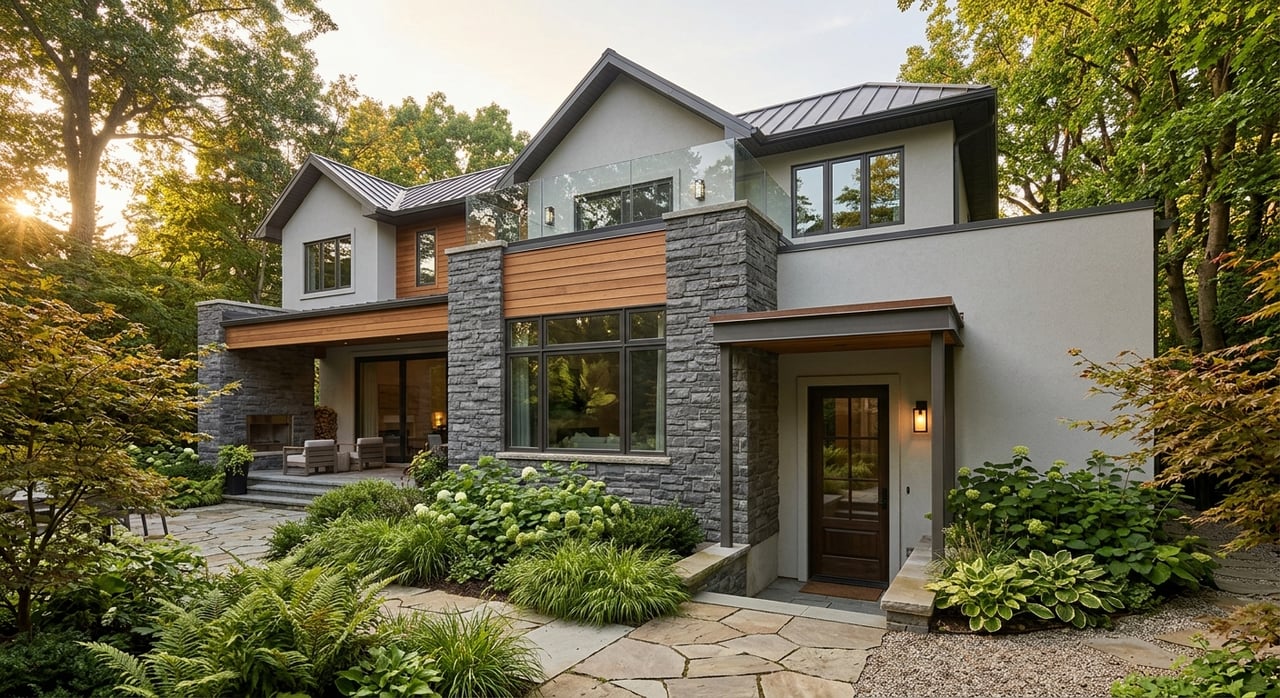
Are you looking at a Westboro or McKellar home and wondering whether it can do more than hold value? In these established Ottawa neighbourhoods, an income property purchase is rarely just about collecting rent from the house as it sits today. You also need to understand zoning, legal unit potential, renovation costs, and how conservative the numbers really look. Let’s dive in.
Why Westboro-McKellar attracts investors
Westboro has a mixed housing stock that includes single-family homes, semi-detached homes, smaller apartment buildings, and a growing condo presence. It is known for its village-style commercial core and ongoing intensification, which helps support rental demand. For a buyer, that means you are often evaluating both current livability and future flexibility.
McKellar Park has a somewhat different feel. City planning materials describe it as lower-rise and more detached in character, with single-detached homes prominent west of Carling Avenue and a mix of building forms along Carling. If you are buying here as an investor, the appeal often comes from lot quality, neighbourhood stability, and the possibility of adding legal density where permitted.
In both areas, land value and legal use matter as much as the existing floor plan. A charming detached home may be less compelling as an income property than a less polished home on a lot that supports a secondary unit or coach house. That is why your analysis needs to go beyond finishes and into the property’s long-term potential.
Start with the income-property question
When you evaluate a Westboro-McKellar home, the first question is simple: what income can this property legally produce? The answer may be very different from what a listing suggests. A home may function well as a single rental, but the stronger play could be a house with a legal additional dwelling unit or space for a coach house.
Ottawa’s rules are relatively permissive for additional units on eligible lots. Section 133 allows coach houses and or additional dwelling units on lots with detached, linked-detached, semi-detached, townhouse, or duplex dwellings, with a maximum of three dwelling units total on an eligible lot. In the urban area, the added unit must be on the same lot as the principal dwelling.
That framework is a big reason buyers are willing to pay close attention to lot configuration in Westboro and McKellar. In a higher-value neighbourhood, one extra legal unit can make a major difference to the holding strategy. It can also improve resale appeal when you eventually sell.
What rental forms are usually feasible
Secondary units inside the main home
A secondary unit within the existing home is often the most practical first option. Depending on the house layout, you may be able to create a basement apartment or another self-contained unit within the principal dwelling. This route can be simpler than detached construction, but it still needs to meet permit and building code requirements.
You will want to study ceiling heights, window placement, fire separation, plumbing runs, and access early. A house that looks large enough on paper may still need significant work to support a compliant unit. Those costs can shift the whole investment case.
Coach houses in the rear yard
A coach house can be attractive if the lot supports it. Ottawa’s guide says urban coach houses are limited to the lesser of 40% of the rear yard area or 40% of the principal dwelling footprint, up to 80 square metres. Older accessory structures may sometimes be grandfathered for conversion, but they still need to meet the Ontario Building Code.
This is where lot geometry becomes critical. Access, privacy, rear-yard shape, and servicing all affect whether a coach house is realistic. If the lot backs onto a travelled public lane, placement can be easier, but many sites will still require a detailed feasibility review.
Parking and urban practicality
One helpful point for many buyers is that Ottawa does not require an additional parking space for these urban added units. If parking is added, it cannot be in the front yard, and tandem parking in the existing driveway is permitted. In a neighbourhood where driveway width and streetscape matter, this can preserve a property’s curb appeal while still allowing more density.
Why zoning can change the deal
You should never assume that what works on one Westboro block will work on the next. In parts of Westboro, City materials describe the area as predominantly zoned R3R or R3S. In those subzones, detached, semi-detached, duplex, and three-unit dwellings are allowed, while townhouse dwellings and low-rise apartment dwellings are not.
That distinction matters because your investment thesis may depend on the exact form of future use. If you are hoping to create more units than the zoning allows, or a building type that is not permitted, you may need a minor variance or a zoning by-law amendment. That adds time, cost, and uncertainty.
The Mature Neighbourhoods Overlay is another factor to watch. In applicable areas, it adds regulations and requires a Streetscape Character Analysis. Even when a concept seems straightforward, overlay rules can affect design, approvals, and timelines.
Ottawa is also in a zoning transition. Council enacted Zoning By-law 2026-50 on March 11, 2026, and applications deemed complete on or after that date must comply with both by-laws, with the most restrictive provisions applying. For a buyer, that means due diligence needs to be current and address-specific.
Due diligence before you buy
A Westboro-McKellar income property should be screened before you remove conditions, not after closing. The goal is to understand whether the property supports your plan legally, physically, and financially. A great street and a beautiful home do not guarantee a workable investment.
Here is a practical due diligence checklist:
- Confirm the exact zoning for the property in geoOttawa or request a zoning designation letter
- Verify permitted uses and whether your intended unit count is allowed
- Check whether the lot is affected by the Mature Neighbourhoods Overlay
- Review rear-yard size, access, easements, and setback constraints
- Confirm servicing capacity for municipal water and wastewater connections
- Investigate whether a grading and drainage plan may be required
- Assess whether an existing garage or accessory building could be converted
- Budget for development charges, permits, and consultant fees
- Review likely insurance, tax, legal, and financing implications with qualified professionals
If you are considering a coach house, servicing deserves special attention. Ottawa says an urban coach house must be serviced from the principal dwelling’s municipal water and wastewater connection. You also cannot build over an easement, and larger coach houses or those close to a property line may require a grading and drainage plan.
Renovation and approval costs to expect
Every added-unit strategy comes with friction costs. All coach houses require a building permit and must meet the Ontario Building Code. Ottawa also notes that some projects may require site plan control or a minor variance through the Committee of Adjustment.
Permit packages can be detailed. Depending on the project, you may need site plans, grading and drainage information, plumbing layouts, and drawings showing walls, windows, doors, and fire separations. If you underestimate these steps, your timeline and budget can slip quickly.
Development charges also belong in your initial math. Ottawa states that development charges are one-time fees for new development and are payable at first occupancy permit for residential occupancies. In other words, they are not a side note. They are part of the investment cost basis.
How to judge the return realistically
This is where many buyers need a reset. In a high-value neighbourhood like Westboro or McKellar, the purchase price often outpaces the income from a single conventional rental unit. If you buy primarily for cash flow, the numbers may feel thin unless the property supports a stronger multi-unit strategy.
CMHC’s 2025 Ottawa rental data showed a purpose-built rental vacancy rate of 3.0% and an average two-bedroom rent of $1,926. In the condominium rental market, vacancy was tighter at 0.6%, with an average two-bedroom rent of $2,503. Those figures help frame demand, but they also show why gross yield can be modest compared with acquisition cost in premium neighbourhoods.
Using the report’s simple illustration, Ottawa’s average purpose-built two-bedroom rent works out to about $23,112 per year. On a $1.2 million purchase, that is roughly a 1.93% gross yield before expenses. The condo-rental equivalent comes to about $30,036 per year, or around a 2.50% gross yield on the same purchase price.
That does not mean the investment is poor. It means the strategy usually needs more than basic rent collection to make sense. In Westboro and McKellar, buyers often look for one of three things:
- A strong legal secondary unit
- Coach-house potential
- A long-term redevelopment or land-value angle
Conservative underwriting matters
Westboro’s amenities and ongoing intensification support rental demand, but you still need to underwrite conservatively. Ottawa market notes point to elevated inventory and softer apartment pricing, even while single-family homes have been relatively resilient. That mix can affect both exit strategy and rental assumptions.
A conservative model should include:
- Vacancy assumptions
- Renovation contingency
- Permit and consultant costs
- Development charges where applicable
- Insurance and tax changes
- Closing costs
- Approval timelines
- Carrying costs during construction or lease-up
If the property only works with optimistic rents or perfect execution, it may not be the right buy. In these neighbourhoods, the strongest opportunities are often the ones that still make sense when your assumptions are tempered.
What makes a property stand out
Not every house in Westboro or McKellar is a strong income-property candidate. The best prospects usually combine present utility with future optionality. You want a property that works for today and offers more than one path to value over time.
Features worth prioritizing include:
- A lot with usable rear-yard depth
- Straightforward access to the backyard
- A home layout that could support a compliant additional unit
- No obvious easement conflict in the buildable area
- Zoning that already supports your intended use
- A location where rental demand is likely supported by amenities and transit access
This is where a careful acquisition strategy can outperform a broad search. A buyer who understands zoning, unit potential, and renovation feasibility can spot value that is easy to miss in a competitive neighbourhood.
A smart way to evaluate your purchase
If you are considering Westboro or McKellar as an income-property play, treat the home like both a residence and a small development decision. You are not just buying a kitchen, a lot, or a postal code. You are buying a set of legal rights, physical constraints, and financial possibilities.
That is why the best process is structured and local. Before you commit, review the zoning, test the added-unit potential, price the approval path, and run the numbers with realistic assumptions. In a premium Ottawa neighbourhood, clarity at the buying stage is what protects both your upside and your peace of mind.
If you want a strategic second opinion on a Westboro or McKellar property, The Zak Green Team can help you assess location, value, and long-term potential with a data-informed local lens.
FAQs
Can you add a coach house to a Westboro or McKellar home?
- Possibly, if the lot and existing dwelling are eligible under Ottawa’s rules and the property can meet size, servicing, access, and building code requirements.
What zoning should you check for a Westboro income property?
- You should confirm the exact property zoning, permitted uses, and whether any overlay rules apply, since zoning can vary block by block and affect unit potential.
Does an Ottawa additional dwelling unit need extra parking?
- In the urban area, Ottawa says no additional parking space is required for added units, although any new parking provided cannot be in the front yard.
Are development charges part of an Ottawa income-property budget?
- Yes, Ottawa says development charges are one-time fees for new development and are payable at first occupancy permit for residential occupancies.
Is a single rental unit enough to make a Westboro purchase work?
- Often, buyers need to look beyond a single unit because purchase prices in premium neighbourhoods can make gross yield modest before expenses.
What professionals should you consult before buying a Westboro-McKellar income property?
- A typical feasibility review may involve a real estate lawyer, mortgage broker, accountant, and qualified designer, especially when permits, servicing, taxes, or added units are part of the plan.