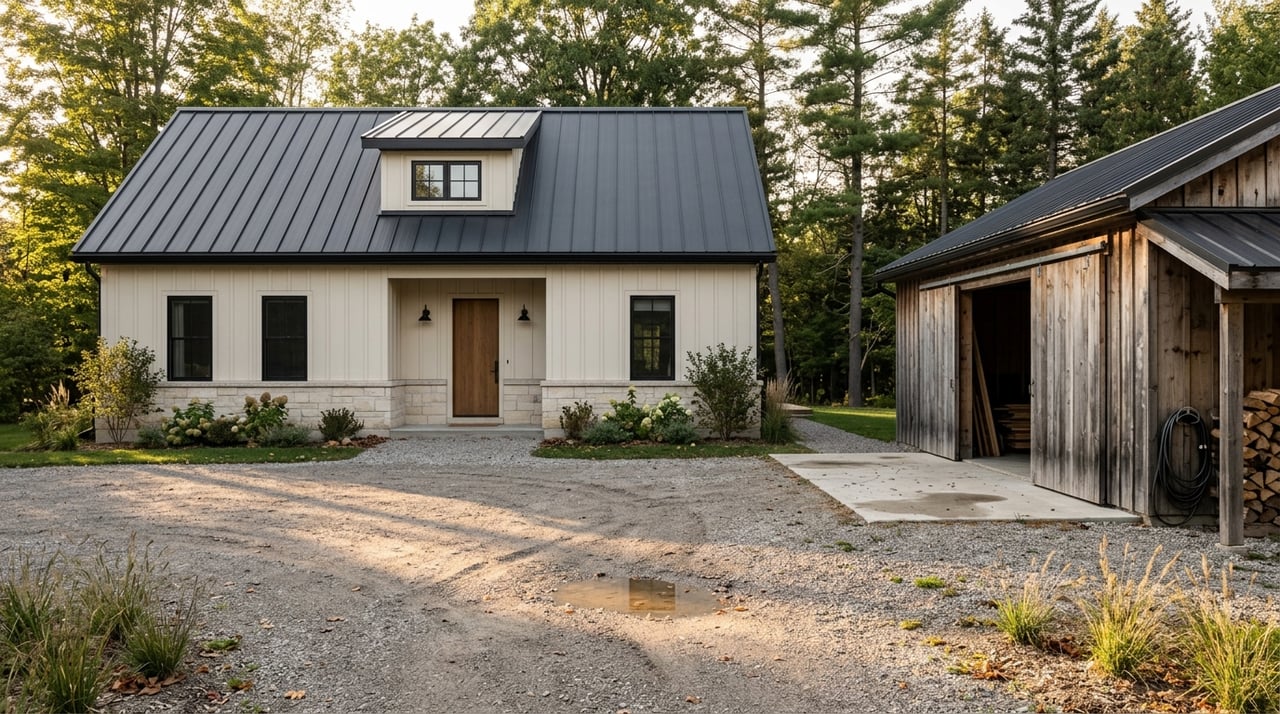
Dreaming about a few acres, a barn, and enough space to finally live your rural vision? In Carp and Kinburn, that dream can be very real, but your first hobby farm purchase comes with more moving parts than a typical home search. If you want to buy with confidence, it helps to understand zoning, servicing, flood risk, and the paperwork that can shape both your budget and your future resale. Let’s dive in.
Why Carp–Kinburn Appeals to Hobby Farm Buyers
Carp has long been tied to Ottawa’s rural and agricultural identity. Ottawa describes the village as having a unique rural character and heritage identity, and notes that the Carp Valley contains some of the best farmland and farms in the city.
For a first-time hobby farm buyer, that local context matters. You are not just buying a house with land. You are buying into an area where agricultural use, rural servicing, and land-use rules can affect how you live on the property.
The Carp–Kinburn area also offers an important range of property types. You may find homes in the Village of Carp with communal well and central sanitary sewer service, while rural properties outside the village core often rely on private wells and septic systems.
That difference can shape your ownership costs right away. Two properties only a few kilometres apart may come with very different servicing responsibilities, renovation limitations, and resale considerations.
Start With the Property’s Legal Use
One of the biggest mistakes first-time hobby farm buyers make is assuming that acreage tells the whole story. In reality, what you can legally build, keep, or operate on the land depends on the exact zoning.
In Ottawa’s RU, or Rural Countryside Zone, the land is intended to accommodate agricultural, forestry, residential, and other countryside uses. In this zone, a lot can generally have up to two dwelling units, and on lots of 0.8 hectares or more, a stable with horses and up to 10 hens can be permitted as accessory uses.
That said, agriculture-related uses in RU require a lot of at least 2 hectares. If part of your plan includes a produce stand, Ottawa limits a farm produce stand tied to agricultural use to 28 square metres.
The AG, or Agricultural Zone, works differently. Minimum lot areas range from 5 hectares to 45 hectares depending on the subzone, and residential uses are prohibited in AG4 through AG8.
The takeaway is simple: do not assume the land supports your plans just because it looks like a farm. Before you move ahead, confirm the exact zone and subzone for the property and ask how that zoning lines up with your intended use.
Don’t Forget the Outbuildings
On a hobby farm, the house is only part of the picture. Barns, sheds, riding arenas, manure storage structures, and other outbuildings often matter just as much.
Ottawa requires a building permit for new buildings, additions, or alterations over 10 square metres. The city specifically lists rural projects such as barns, silos, manure storage structures, and riding arenas as permit projects.
Some small accessory structures may be exempt from a building permit, but they still must comply with zoning and other applicable rules. That means an older shed or barn on the property is not automatically legal just because it is already there.
Before you buy, it is smart to confirm whether existing structures were properly approved. Ottawa allows public access to building permit records, which can help you verify older additions, barns, sheds, and other improvements.
Servicing Can Change the Whole Equation
If you are buying outside the Village of Carp, there is a strong chance the property relies on a private well and septic system. For many first-time rural buyers, this is one of the biggest adjustments.
Ottawa says homeowners are responsible for septic maintenance and recommends pumping and inspection every three to five years. Septic approvals, alterations, repairs, and inspection records for Ottawa properties are coordinated through the Ottawa Septic System Office.
Well care matters just as much. Ottawa Public Health offers free private well water testing, and the city recommends regular testing, especially after changes to the well or plumbing, or if the water changes colour, smell, or taste.
Wells can be contaminated by septic systems, livestock waste, or agricultural chemicals. That is why the placement, condition, and documentation for the well deserve careful review before you firm up your purchase.
What to Review During Due Diligence
A hobby farm purchase usually needs more investigation than a standard suburban home. The goal is to understand not just the home itself, but how the land functions and whether the records support what you are buying.
Here are some of the most important items to review:
- Exact zoning and subzone
- Permits for barns, sheds, additions, and other structures
- Well records and recent water test information
- Septic records, age, and maintenance history
- Floodplain or regulated area status
- Any conservation or environmental constraints
- Whether your intended use may trigger nutrient-management requirements
This kind of due diligence can save you from expensive surprises. It can also help you decide whether a property fits your plan now, not just in theory.
Flood Risk Matters in the Carp Area
Flooding and drainage deserve close attention in this part of Ottawa. The Mississippi Valley Conservation Authority identifies the Carp River as one of its higher flood-risk areas and is updating floodplain and flood-erosion mapping for tributaries near the villages of Carp and Kinburn.
In eastern Ontario, the 1:100-year floodplain is used as the regulatory standard. If a property falls within a regulated area, development, grading, fill placement, excavation, or other site alteration can require a permit from the conservation authority.
This is especially important if you plan to build an outbuilding, expand a driveway, regrade the land, or make changes near a watercourse, wetland, ravine, or floodplain. Pre-consultation can help you understand restrictions before you commit.
Near the Village of Carp, there are additional planning considerations. Ottawa’s secondary plan says new development within 120 metres of the Carp Hills ANSI requires an environmental impact statement, and the floodplain generally defines the development limit along the Carp River corridor.
If You Want Horses or Livestock
Many hobby farm buyers picture a few horses, hens, or other small-scale animal uses. In Carp–Kinburn, that is possible on some properties, but it needs to be matched carefully to zoning and provincial rules.
As noted earlier, Ottawa’s RU zoning can permit a stable with horses and up to 10 hens as accessory uses on lots of 0.8 hectares or more. But if you plan to build a horse barn or manure storage, Ontario’s nutrient-management rules may come into play.
Ontario says barn and manure-storage projects may require a nutrient management strategy or plan. Horse-barn or manure-storage projects may need approved nutrient-management documentation before a building permit is submitted.
That means your dream setup may involve more than simply adding a barn after closing. It is worth understanding those requirements early so your budget and timeline stay realistic.
Budget Beyond the Purchase Price
A first hobby farm is exciting, but it also asks you to think like a long-term property steward. Ontario’s guidance on starting a farm frames ownership as a decision that requires planning for capital, labour, equipment, buildings, and time.
Even if your property is primarily for lifestyle use, that mindset is useful. The purchase price is only the first layer of cost.
A realistic first-year budget should leave room for:
- Septic pumping and inspection
- Well testing and any needed well work
- Permit fees for future buildings or alterations
- Site reviews tied to zoning or conservation rules
- Documentation and record gathering for older systems or structures
- Equipment and maintenance tied to acreage upkeep
When buyers plan for these costs early, they usually make better decisions about the property they choose. It also helps prevent a beautiful rural purchase from becoming a stressful financial stretch.
Resale Starts on Day One
It is easy to focus only on your immediate plans, but resale should still be part of your thinking. Rural buyers often place a high value on clear records and straightforward approvals.
Ottawa advises well owners to keep well documents because they will be needed when the home is sold. The city’s permit-record access program can also help confirm what work was properly approved on the property.
In practical terms, a stronger resale story often looks like this:
- The property use matches the zoning
- Existing outbuildings have recorded approvals where required
- Well and septic records are organized
- Floodplain or regulated-area status is clearly understood
- Future buyers can easily see how the property has been maintained
If the property is inside the Village of Carp, the resale conversation may be different again. Ottawa ties new development there to available public water and wastewater services, so servicing capacity and village-core policies can become part of long-term value.
A Smarter Way to Approach Your First Hobby Farm
Your first hobby farm purchase in Carp–Kinburn should feel exciting, not uncertain. The right property is not just scenic or charming. It is also a property whose zoning, servicing, structures, and land characteristics support the life you want to build.
That is where a strategic buying approach matters. When you review the legal use, inspect the servicing, verify the records, and understand any flood or environmental constraints, you put yourself in a much stronger position to buy well.
If you are considering a hobby farm, rural acreage, or equestrian-style property in Ottawa’s west rural communities, The Zak Green Team can help you evaluate the details that matter and move forward with confidence.
FAQs
What should you check first when buying a hobby farm in Carp–Kinburn?
- Start with the property’s exact zoning and subzone, because zoning determines what the land can legally support, including dwellings, horses, hens, agricultural uses, and certain outbuildings.
Do rural properties in Carp–Kinburn usually have municipal services?
- Many rural properties outside the Village of Carp rely on private wells and septic systems, while properties inside the village core may be connected to communal well and central sanitary sewer services.
Do hobby farm outbuildings in Ottawa need permits?
- Ottawa requires building permits for new buildings, additions, or alterations over 10 square metres, and rural structures such as barns, silos, manure storage structures, and riding arenas are specifically listed as permit projects.
Why is floodplain review important for Carp hobby farm buyers?
- The Carp River is identified as a higher flood-risk area, and if a property is within a regulated area, development, grading, excavation, fill placement, or other site changes may require conservation authority review or permits.
What records are important when buying a first hobby farm in Ottawa?
- Key records include zoning details, building permit history, well documents, septic records, maintenance history, and any information related to floodplain status or conservation constraints.
Can you keep horses on a hobby farm in Carp–Kinburn?
- Some properties in Ottawa’s RU zone may permit a stable with horses as an accessory use on lots of 0.8 hectares or more, but you still need to confirm the exact zoning and any provincial nutrient-management requirements tied to barns or manure storage.