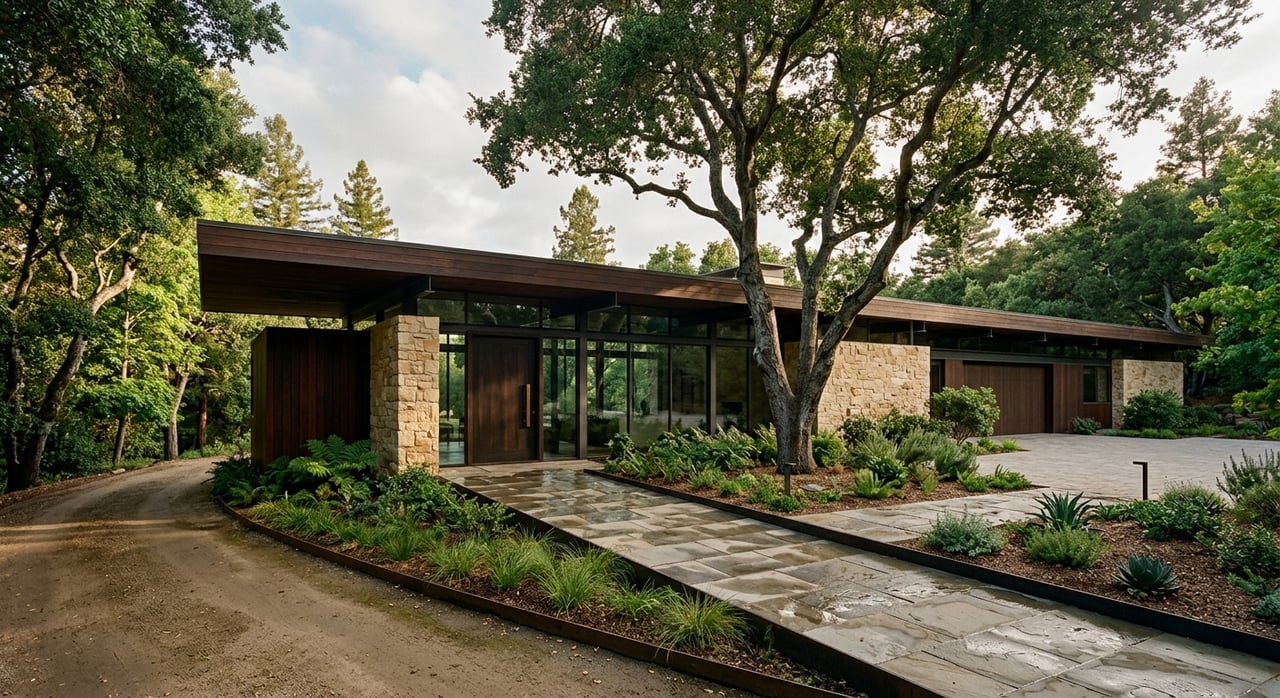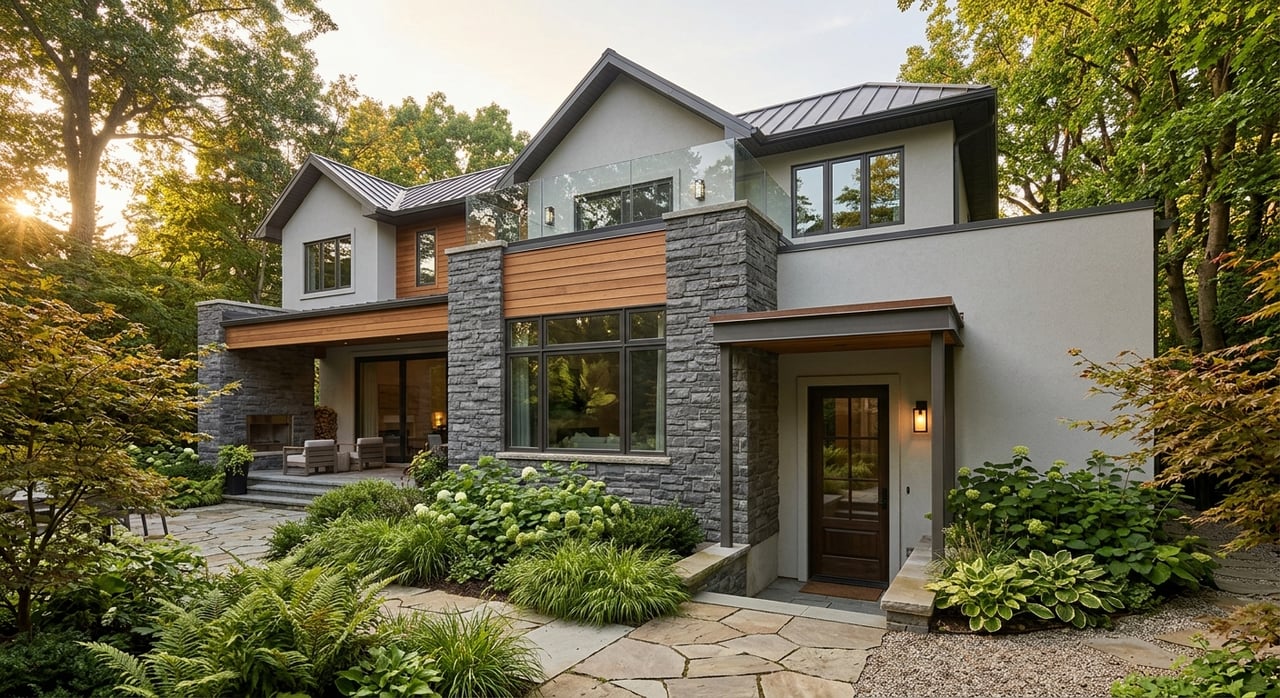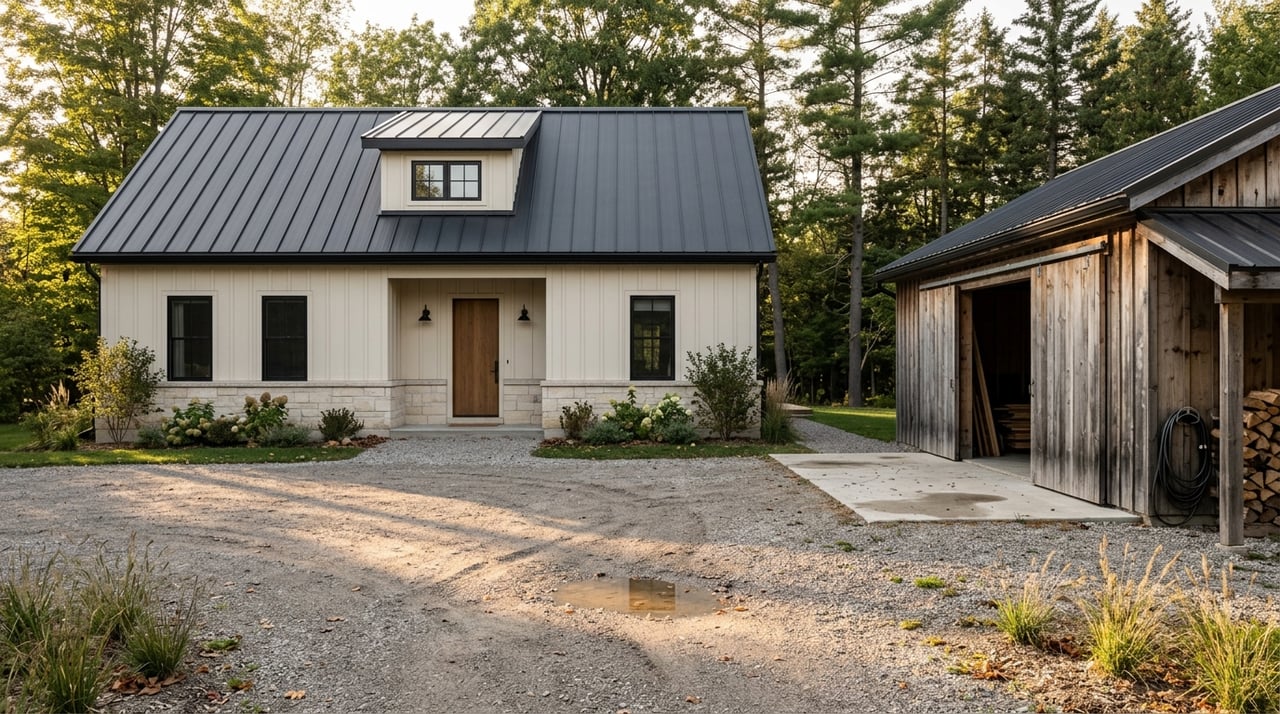
When your home no longer fits your life, leaving the neighborhood you love can feel like too high a price to pay. If you live in New Edinburgh or Lindenlea, that tension is especially real because these are established areas with strong character, older housing stock, and everyday conveniences close at hand. The good news is that staying local is often possible, whether you need more room, less upkeep, or a smarter layout. Here’s how to think through your options with a clear plan.
Why staying local matters here
New Edinburgh and Lindenlea sit close together, but they are not the same story. New Edinburgh is a heritage conservation district tied to the former 19th-century village, with change managed to conserve architectural and contextual character. Lindenlea grew from a very different planning idea, with a garden-suburb layout, green space, and a village-scale feel.
That distinction matters when your space needs change. In both areas, people often want to stay because they value the setting, the mature streetscape, and access to nearby services. Beechwood Avenue serves as the nearby commercial main street, and the Lindenlea Community Centre adds another layer of local convenience.
What housing choices look like
If you are hoping to move within the area, it helps to start with the kind of housing that already exists here. New Edinburgh includes a mix of single and semi-detached houses, row houses, and small apartment buildings dating back as far as 1837. The district plan also notes that one of the most common house types is a modest one- to two-and-a-half-storey gable-roofed home.
This is important because a space change here is not usually about hopping into a wave of brand-new inventory. More often, staying local means finding a larger older home, choosing a lower-maintenance property type, or making better use of the home you already have. In practical terms, your best option may depend as much on the existing streetscape and lot pattern as on your budget.
If you need more space
Upsizing in New Edinburgh or Lindenlea may mean looking for a larger detached home, a row house with better layout, or a property with more usable finished space. Since the area is shaped by older low-rise housing, square footage can show up differently from one home to the next. A smaller footprint with a smarter layout can sometimes solve the problem just as well as a larger house.
Long, narrow lots, side-yard spacing, green backyards, and laneways are also part of the local pattern in New Edinburgh. That can influence how much flexibility a property offers if you are thinking about adding living space instead of moving. It also means two homes with similar exterior size may function very differently day to day.
If you need less space
Downsizing without leaving the area is often realistic because the local housing mix includes small apartment buildings and other low-rise options. If your goal is to cut maintenance, simplify daily life, or free up equity, you may not need to leave the neighborhood to do it. Staying close to Beechwood Avenue and community amenities can make a smaller home feel like a lifestyle upgrade rather than a compromise.
For many owners, this is not just a numbers decision. It is about keeping your routines, your favorite streets, and your connection to the area while moving into a home that fits the next chapter better.
Renovate or relocate?
This is often the biggest question. In a neighborhood with heritage-sensitive planning, the answer is rarely simple.
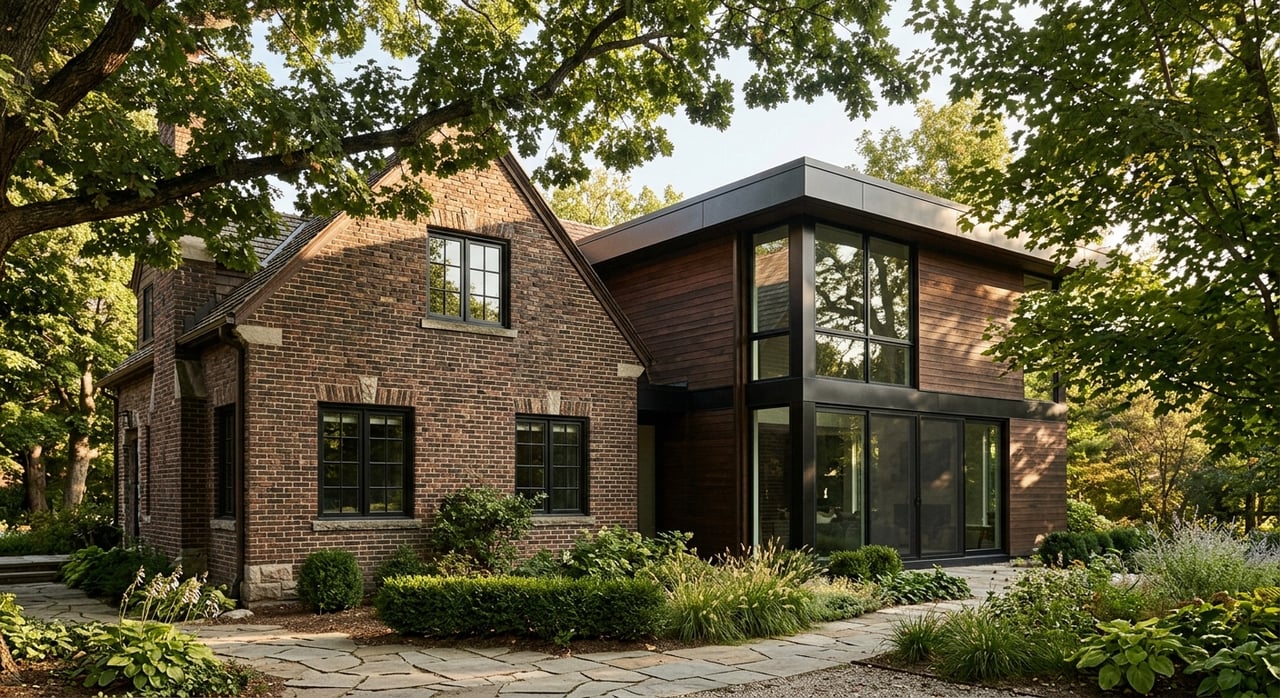
New Edinburgh’s heritage conservation district plan allows change, but it is controlled. Additions to existing buildings should normally be placed in the rear yard, should not exceed the existing roofline, and should remain compatible with the streetscape in height, size, scale, and massing.
Ottawa also requires an Ontario Heritage Act permit for alterations to designated heritage properties and for work in a heritage conservation district when the work includes demolition, new construction, or alterations that affect heritage attributes. The City advises owners to speak with heritage staff before applying, and as of January 1, 2026, a new fee schedule applies to heritage applications.
When renovation makes sense
Renovation can make sense if you love your location, your lot works well, and your goals can be met within the existing planning context. A rear addition, interior reconfiguration, or more efficient use of current space may allow you to stay put and preserve what you already value about the property.
There may also be support for certain restoration projects. Ottawa’s Heritage Property Grant Program offers matching funds of up to $10,000 for small-scale buildings and up to $35,000 for large-scale buildings, though it is aimed at restoration rather than routine maintenance, general renovation, or landscaping.
When moving may be easier
If you need a major exterior change or a substantial redesign, moving may be the faster and simpler path. Heritage review, design work, and approvals can add time and complexity to a renovation plan. That does not mean renovation is off the table, but it does mean you should compare timelines and effort honestly.
In many cases, the real choice is not just cost versus cost. It is convenience versus control, speed versus customization, and certainty versus process.
What the 2026 market means for your move
A same-neighborhood move works best when you plan around the specific property type you are selling and buying. Ottawa’s market was balanced in May 2026, with 1,616 sales, a sales-to-new-listings ratio of 48.2%, 3.0 months of inventory, and 4,917 active listings. The average residential sale price was $721,270, down 0.9% year over year, while single-family pricing was essentially flat and townhomes and apartments were softer.
That broad picture matters, but the segment details matter more. In the first quarter of 2026, median days on market in Ottawa were 23 for single detached homes, 24 for townhouse and row units, and 47 for apartments. Months of inventory were 3.0 for single detached homes, 2.7 for townhouses and row units, and 5.5 for apartments.
If you are selling detached and buying detached
This is a balanced market, but not a loose one. If you want to sell one detached home and buy another nearby, timing still matters because the homes you want may not sit for long. You may need a clear pricing and negotiation strategy on both sides of the move.
If you are downsizing to an apartment-style home
You may have more choice on the buying side. Apartments have been taking longer to sell and carry higher inventory than detached or townhouse properties, which can create more negotiating room for buyers. At the same time, if you are selling first, your current home type will shape how much leverage and flexibility you have.
Financing still matters
The Bank of Canada policy rate was 2.25% on June 10, 2026. That matters if you are considering buying before you sell, carrying two properties for a short period, or trying to line up a same-neighborhood move with minimal stress. Even when you are staying in a familiar area, financing can shape the safest order of operations.
A practical decision framework
If you are unsure whether to renovate, upsize, or downsize nearby, start with a simple framework:
- Define the real problem. Is it lack of bedrooms, poor layout, too many stairs, too much maintenance, or not enough privacy?
- Separate must-haves from nice-to-haves. This keeps you from over-improving or overbuying.
- Check the property context. In New Edinburgh especially, lot pattern, roofline, rear-yard space, and heritage rules can affect renovation potential.
- Compare timelines. A move may be faster than a major approved renovation.
- Match your plan to the market segment. Detached, townhouse, and apartment moves are not moving at the same speed.
- Stress-test the finances. Include purchase timing, carrying costs, and renovation or transition costs.
This kind of step-by-step review usually brings clarity quickly. It turns a vague feeling of “we need a change” into a decision you can actually act on.
How to stay strategic
In New Edinburgh and Lindenlea, space decisions are rarely just about square footage. They are about protecting a lifestyle you already value while adapting to what your household needs now. Because the local housing stock is older and the planning context can be more nuanced, the best results usually come from early strategy rather than rushed decisions.
If you are thinking about staying in the area, it helps to look at your options side by side. A clear review of renovation potential, likely resale timing, and what is actually available nearby can save you time, money, and second-guessing.
Whether you are selling a larger home, searching for a better-fitting property close by, or weighing a renovation against a move, a local, data-informed plan makes all the difference. If you want help mapping out the smartest next step in New Edinburgh or Lindenlea, connect with The Zak Green Team.
FAQs
Can I add space to my home in New Edinburgh?
- Often yes, but changes may need to fit the heritage conservation district plan, and some projects require an Ontario Heritage Act permit.
Is downsizing in Lindenlea or New Edinburgh possible?
- Likely yes, because the area includes a mix of low-rise housing types and stays close to services along Beechwood Avenue.
Is renovating faster than moving in New Edinburgh?
- Not usually if the work affects the exterior in a heritage context, because approvals and design review can add time.
Should I buy before I sell in Lindenlea or New Edinburgh?
- It depends on your financing and the type of property involved, since detached, townhouse, and apartment segments are moving at different speeds in Ottawa.
Does Ottawa offer grants for heritage property work?
- Yes, the City’s Heritage Property Grant Program offers matching funds for eligible restoration work, but it is not meant for routine maintenance, general renovation, or landscaping.